
Brick Repair & Replacement · Hanover Park, IL
Brick Repair in Hanover Park, IL — Spalling, Cracked, and Failing Brick Repair for 1970s–1990s Homes and Commercial Buildings
Hanover Park's housing and commercial stock is largely brick-veneer construction from the 1970s through the 1990s — the era now reaching the age where lintels rust, veneer ties fail, and brick faces start spalling. Emerald Masonry LLC replaces failed brick and fixes the underlying cause so the new brick doesn't fail the same way.
Quick Answer
Hanover Park's housing and commercial stock is largely brick-veneer construction from the 1970s through the 1990s — the era now reaching the age where lintels rust, veneer ties fail, and brick faces start spalling. Emerald Masonry LLC replaces failed brick and fixes the underlying cause so the new brick doesn't fail the same way.
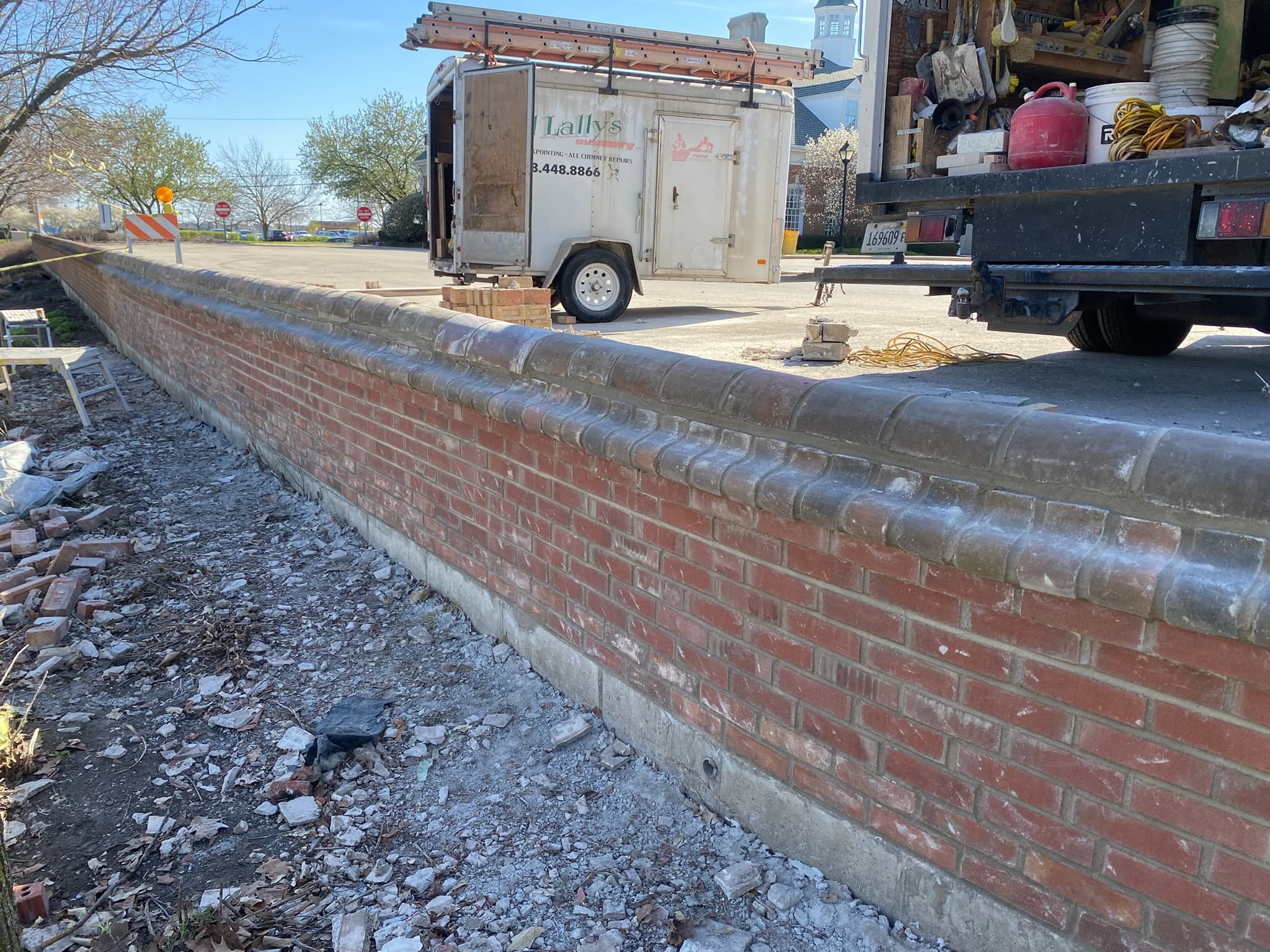
A Suburb Built in the Brick-Veneer Era
Hanover Park straddles the Cook–DuPage county line in the northwest suburbs, and most of it went up during a specific window — the 1970s, '80s, and '90s, when the area transformed from open land into subdivisions, townhome developments, and commercial corridors. That timing matters for masonry, because nearly all of it is brick-veneer construction: a single wythe of face brick anchored to a wood- or steel-framed wall behind it, with an air gap and metal ties holding the brick to the structure.
Brick veneer is everywhere in Hanover Park — on ranch and split-level homes, on townhome rows, on strip retail and office buildings. And the buildings from this era are now 30 to 55 years old, which is exactly the age when the components that keep veneer working start to fail. The brick itself is often fine. What's failing is the steel, the ties, the flashing, and the mortar around them — and when those go, the brick faces start to spall, crack, and fall.
Emerald Masonry LLC repairs and replaces failing brick on Hanover Park homes, townhomes, and commercial buildings — and, just as importantly, fixes what made the brick fail in the first place.
Why Brick Fails on Buildings This Age
Brick doesn't usually fail on its own. On a 1970s–'90s veneer building, the failure almost always traces back to one of a few causes:
Rusting steel lintels
The steel angle iron over a window, door, or garage opening is the most common culprit. Once water reaches it — through failed caulk, open joints, or missing flashing — it rusts. Rusting steel expands to many times its original volume, and that expansion lifts and cracks the brick courses directly above the opening. You'll see a horizontal crack line above a window, the brick pushed out of plane, or the lintel itself visibly rust-stained and swollen. Lintel-driven brick damage needs the steel addressed, not just the brick re-laid over a still-rusting angle.
Failed or missing wall ties
The metal ties that anchor veneer to the structure corrode over decades. When enough of them fail, sections of the brick wall lose their connection to the building and begin to bow, bulge, or separate. This is a structural issue, not a cosmetic one, and it needs assessment.
Spalling from trapped moisture
When water gets behind a brick face and freezes, it pushes the face of the brick off — that's spalling. You'll see brick faces flaked away, exposing the softer interior. Spalled brick can't be repaired; the units have to be cut out and replaced. But replacing them without fixing the moisture source just resets the clock.
Cracking from settlement and movement
Stair-step cracks following the mortar joints often indicate foundation settlement or wall movement. The crack pattern tells us whether we're looking at a stable, old movement that just needs repair, or active movement that needs to be diagnosed first.
How We Repair and Replace Brick
We diagnose the cause first
There's no point replacing brick over a rusting lintel or behind failed flashing — it'll fail again. We start by identifying why the brick failed: lintel, ties, flashing, moisture path, or movement. The estimate reflects the real scope, not just the visible damage.
Matching the replacement brick
Pulling spalled or cracked units and dropping in mismatched brick leaves an obvious patch. We source replacement brick to match the size, color, and texture of your existing brick as closely as possible — which on a 1980s Hanover Park subdivision often means matching a discontinued brick by finding the closest current equivalent or salvage. The goal is a repair that reads as part of the wall.
Cutting out and re-laying
Failed units are cut out cleanly without damaging the surrounding brick, the opening is prepped, and new units are laid with mortar matched to the existing joints and tooled to match the original profile. Where the cause was structural — a lintel or ties — that work happens before the brick goes back.
Fixing the water path
Whether it's installing proper flashing, addressing a corroded lintel, or following up with tuckpointing of the surrounding joints, we close the path that let water reach the brick in the first place.
What to Watch for on Your Hanover Park Building
- Horizontal cracks above windows, doors, or garage openings — almost always a lintel problem.
- Flaking, crumbling, or popped brick faces — spalling from trapped moisture; the brick is past saving and needs replacement.
- Bowing or bulging wall sections — possible tie failure; needs assessment.
- Stair-step cracks through the joints — movement or settlement.
- Rust staining running down from a lintel or shelf angle — corrosion in progress.
- Loose or fallen brick — a safety issue; address it immediately.
Frequently Asked Questions
Can you match my brick if it's from the 1980s and no longer made? Usually we can get a very close match. Many subdivision brick lines are discontinued, so we match by size, color range, and texture using the closest current product or salvage brick. On a repair section, a careful match blends well; we'll show you the match before we lay it.
Why does the crack keep coming back above my window? That's the classic sign of a rusting steel lintel. The steel is expanding as it corrodes and pushing the brick up. Until the lintel is addressed, any brick repair over it will crack again. We fix the steel, then the brick.
Is spalling brick a structural problem or just ugly? It depends on extent. A few spalled faces are cosmetic and a moisture flag. Widespread spalling, bowing walls, or spalling combined with cracking can indicate a larger water or structural problem. We'll tell you which one you have.
Do you do both homes and commercial buildings in Hanover Park? Yes — single-family homes, townhome associations, and commercial buildings. We work directly with HOAs and property managers on multi-unit brick repair.
Serving Hanover Park and the Northwest Suburbs
Emerald Masonry LLC is a family-owned, non-union masonry contractor based in Palos Heights with more than 40 years of Chicagoland experience. We're licensed, bonded, and insured, and we serve homeowners, townhome and condo associations, property managers, and commercial owners across the northwest and west suburbs — Hanover Park, Streamwood, Bartlett, Schaumburg, Roselle, and the surrounding communities in Cook and DuPage County. We carry a $5,000 project minimum and provide free on-site estimates.
If your Hanover Park home or building has spalling, cracked, or loose brick — or a crack that keeps reopening above a window — contact Emerald Masonry for a free on-site assessment. We'll find the cause, match the brick, and quote a repair that lasts. Call (708) 288-1696 or email emeraldmasonryil@gmail.com.
Ready to get started?
Free on-site estimates for commercial and large-scale projects.