
Tuckpointing & Repointing · Western Springs, IL
Tuckpointing in Western Springs, IL — Mortar Joint Repair for Tudor, Georgian, and Bungalow Brick Homes
Western Springs has one of the older, higher-quality residential brick stocks in the west suburbs — Tudor revivals, Georgians, and 1920s bungalows that are now well past the point where their original mortar holds up. Emerald Masonry LLC repoints these homes with mortar matched to their age, so the repair protects the brick instead of damaging it.
Quick Answer
Western Springs has one of the older, higher-quality residential brick stocks in the west suburbs — Tudor revivals, Georgians, and 1920s bungalows that are now well past the point where their original mortar holds up. Emerald Masonry LLC repoints these homes with mortar matched to their age, so the repair protects the brick instead of damaging it.
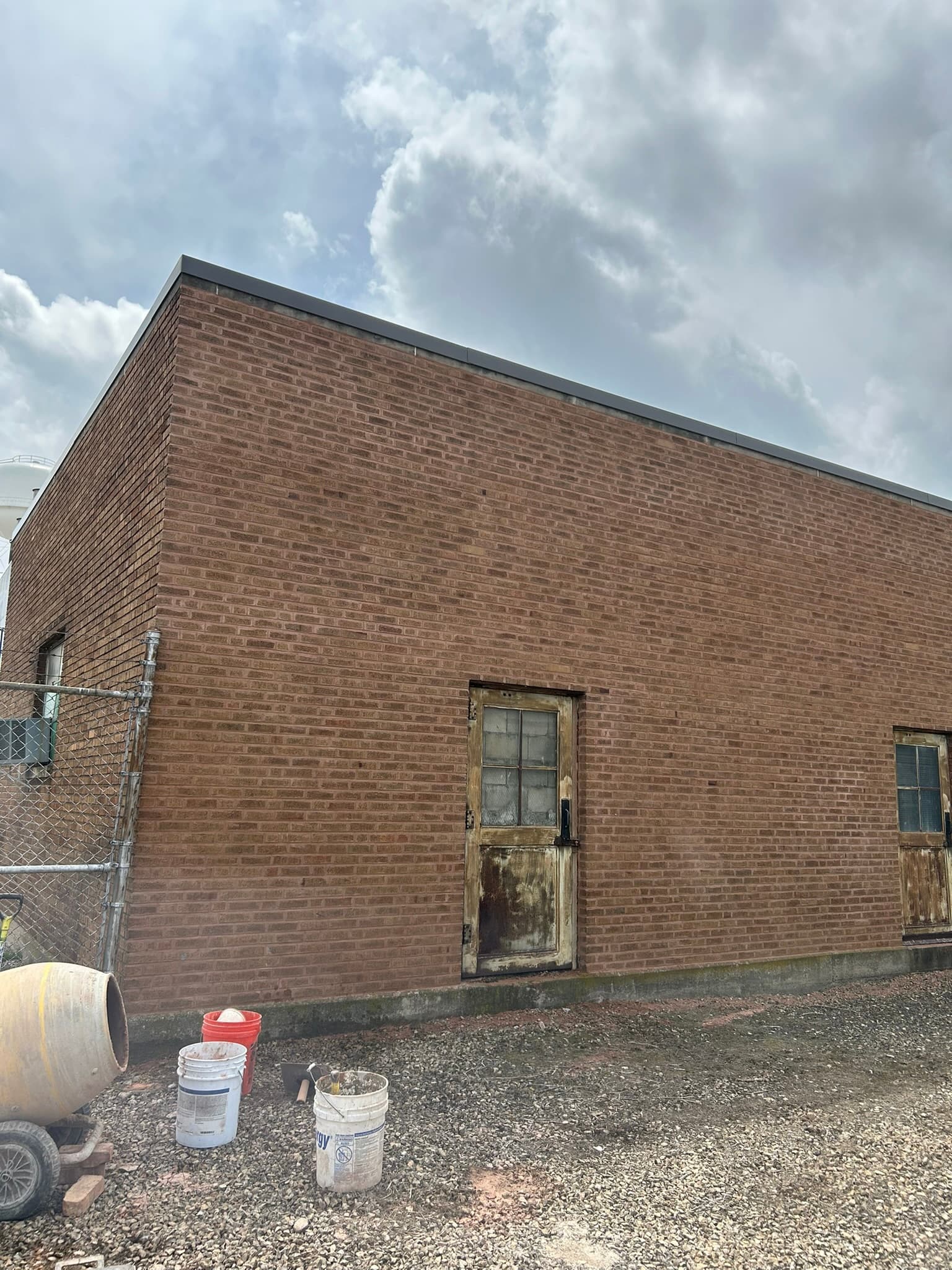
Why Western Springs Brick Needs Attention Now
Western Springs sits at the western edge of Cook County, between La Grange and Hinsdale, and it has one of the better-preserved early-20th-century residential districts in the area. The Old Town neighborhood and the blocks around the BNSF stop are full of brick homes built between roughly 1910 and 1940 — Tudor revivals with steeply pitched roofs and decorative brickwork, center-entrance Georgians, and the solid Chicago-common-brick bungalows that fill out the side streets.
That housing stock is now 85 to 115 years old. The brick on most of these homes is sound. The mortar that holds it together is not. Lime-based and early lime-Portland mortars from that era have a service life — measured in decades of freeze-thaw exposure — and most of Western Springs is at or past the end of the first full repointing cycle. That's why mortar joints across the village are receding, cracking, and in some cases washing out entirely.
Tuckpointing is the repair: cutting out the deteriorated outer layer of mortar and replacing it with fresh mortar, joint by joint. Done right, it's the single most important thing you can do to extend the life of an older brick home. Done wrong — with the wrong mortar — it accelerates the damage it was supposed to stop.
What Failing Mortar Looks Like
You don't need to climb a ladder to spot most of it. On a typical Western Springs brick home, the warning signs are:
- Recessed joints — the mortar has eroded back from the face of the brick, leaving a visible shadow line. If you can lay a pencil sideways into the joint, it's well past due.
- Crumbling or sandy mortar — when you scrape a joint with a key or screwdriver and it gives way to powder, the binder has failed.
- Stair-step cracking — diagonal cracks that follow the joints up a wall, often near corners, windows, or below the chimney.
- Hairline gaps at the brick-to-mortar line — early separation that lets water track behind the face.
- Spalling brick faces — when the face of a brick pops or flakes off, water has already been getting in. Spalling means the problem is no longer just mortar.
- Efflorescence — the white, chalky residue on the brick face is dissolved salts left behind by water moving through the wall. It's a moisture flag.
The through-line is water. Mortar joints are the weakest path into a masonry wall, and once they open up, every rain and every freeze drives the deterioration faster. The tuckpointing repair closes that path.
How We Repoint a Western Springs Home
Matching the mortar to the brick
This is the part most price-driven contractors skip, and it's the single most important decision on an older home. Mortar is supposed to be the sacrificial, replaceable element in a wall — softer than the brick around it, so that when the wall moves, the joint cracks instead of the brick.
The brick on a 1920s Western Springs Tudor or bungalow is relatively soft and absorbent compared to modern brick. If we repoint it with a hard, high-Portland modern mortar (Type N or S off the bag), the new joints become harder than the brick. The next freeze-thaw cycle has nowhere to relieve stress except through the brick face — and the brick spalls. We match mortar strength to the existing brick and mortar, which on pre-1940 homes usually means a softer, lime-rich mix rather than whatever's fastest to mix on site.
Joint preparation
We cut the old mortar out to a depth of roughly two and a half times the joint width — typically about 3/4" — to give the new mortar enough bite. On decorative Tudor brickwork and around arched openings, we hand-finish near the brick edges so we don't chip the arris (the sharp face edge). Grinder-only crews that race through this step leave widened, damaged joints; that's a common reason a repoint looks rough.
Tooling and color
We tuck and tool the new joints to match the original profile — concave, weathered, or grapevine — and we color-match the mortar so the finished wall reads as one surface, not a patchwork. On a visible front elevation in Western Springs, the match matters.
Cleanup and protection
Joints are struck, brushed, and the wall is cleaned down. Where appropriate, we'll talk through whether a breathable masonry waterproofing treatment makes sense after the mortar has cured — never a film-forming sealer that traps moisture in the wall.
When Tuckpointing Isn't the Whole Answer
Tuckpointing fixes mortar. It doesn't fix everything, and an honest contractor will tell you when you're looking at more than a repoint:
- Spalled or cracked brick needs brick replacement — cutting out the failed units and matching replacements, which on an older home means sourcing salvage or close-match brick.
- Bowing or bulging walls signal that the wall ties or the wall itself is failing — that's a structural assessment, not a cosmetic one.
- Chimney deterioration above the roofline is exposed on all sides and almost always the worst masonry on the house; it often needs chimney repair including crown and cap work, not just repointing.
- Rusted steel lintels over windows and doors lift and crack the brick above them as the steel corrodes and expands.
We assess all of this during the estimate so you're not surprised mid-project.
Frequently Asked Questions
How much of my house needs tuckpointing — can you do just one wall? Often, yes. South and west elevations and chimneys take the most weather and fail first, so partial repointing of the worst exposures is common and cost-effective. We'll show you what's failing and what can wait, rather than quoting the whole house by default.
Will the new mortar match my existing brick and joints? On a visible elevation, that's the goal. We match the joint profile and color so the repair blends. A perfect invisible match on 100-year-old mortar is rarely possible, but a careful color match on a properly tooled joint is close enough that most people can't pick out the new work from the sidewalk.
Why are some tuckpointing quotes so much lower than others? Almost always because of mortar and prep. A crew using bagged Type S mortar and grinding joints fast can quote low — but on a soft older Western Springs brick home, that mortar is too hard and will spall the brick within a few years. We match mortar strength and cut joints properly, which costs more labor and protects the brick you're trying to save.
How long does tuckpointing last? A correctly executed repoint with properly matched mortar lasts 25 to 40 years or more on a Chicago-area home. A mismatched repoint can start causing visible brick damage within 5. The mortar choice is what determines which one you get.
Is winter a problem for this work? Mortar needs to cure above freezing. We schedule tuckpointing for the warm-weather window and won't repoint in conditions where the mortar won't set properly — doing so produces weak, crumbling joints.
Serving Western Springs and the Surrounding West Suburbs
Emerald Masonry LLC is a family-owned, non-union masonry contractor based in Palos Heights with more than 40 years of Chicagoland experience. We're licensed, bonded, and insured, and we work with homeowners, property managers, HOAs, and churches across the west and southwest suburbs — Western Springs, La Grange, Hinsdale, Western Springs' Old Town district, Willowbrook, Burr Ridge, and the surrounding communities. We carry a $5,000 project minimum and provide free on-site estimates.
If your Western Springs brick home has receding joints, cracked mortar, or efflorescence on the walls, the cheapest time to deal with it is before the water reaches the brick. Contact Emerald Masonry for a free, no-pressure on-site assessment — we'll walk the house with you, show you exactly what's failing, and quote mortar matched to your brick. Call (708) 288-1696 or email emeraldmasonryil@gmail.com.
Ready to get started?
Free on-site estimates for commercial and large-scale projects.