
Foundation Masonry Repair · St. Charles, IL
Foundation Masonry Repair in St. Charles, IL — Brick & Block Foundation Wall Repair for Fox Valley Homes
St. Charles homes range from historic Fox River brick to newer subdivision block — and both rely on sound foundation masonry. Emerald Masonry LLC repoints and rebuilds brick and block foundation walls, seals cracks, and stops water from getting into the basement.
Quick Answer
Emerald Masonry LLC provides foundation masonry repair in St. Charles, IL — repointing and rebuilding brick and concrete-block foundation walls, sealing step cracks, and stopping basement water entry on Fox Valley homes. Family-owned, led by career masons with decades of hands-on Chicagoland experience, licensed, bonded, and insured. Free on-site estimates. Call (708) 288-1696.
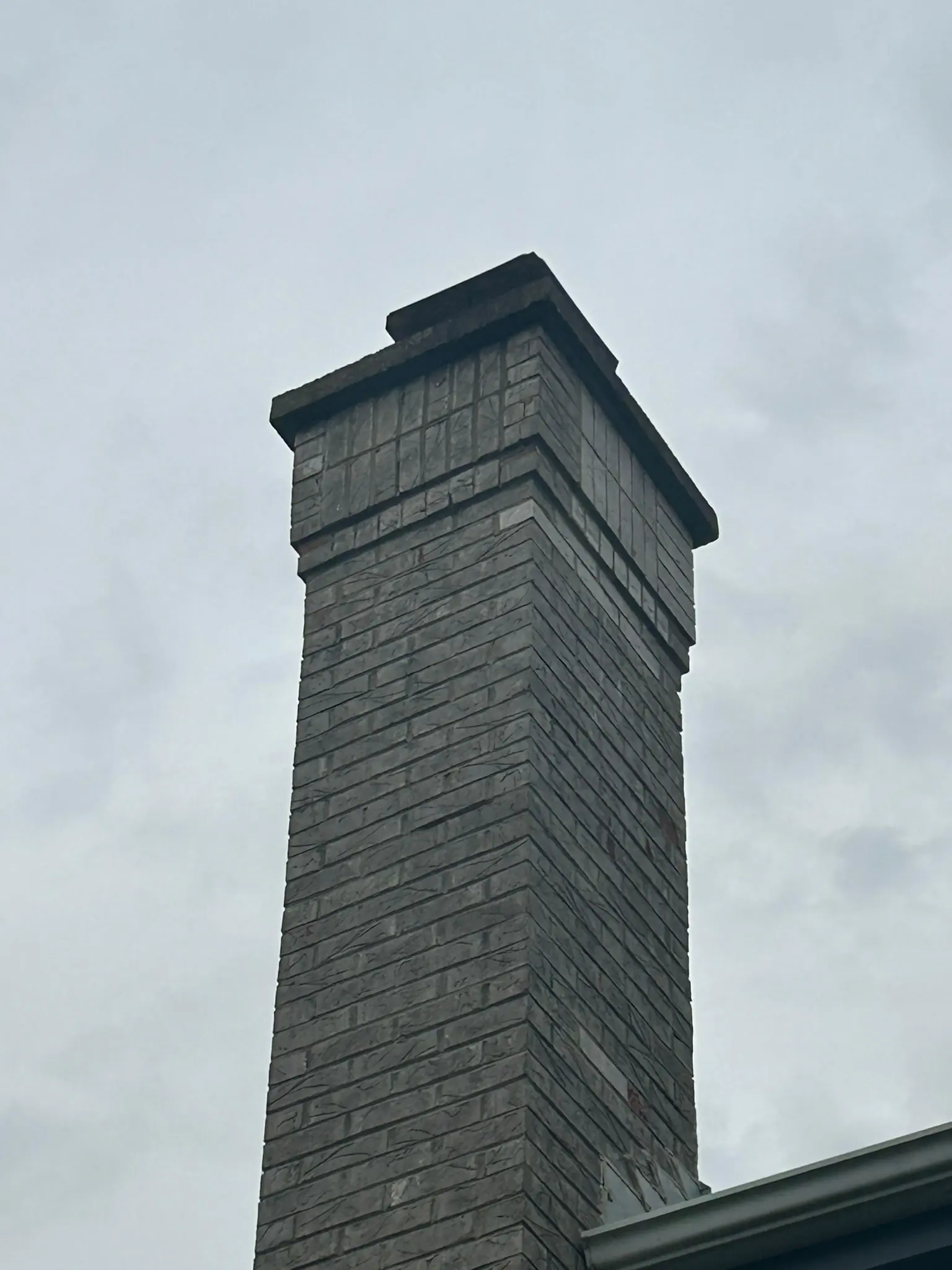
If your St. Charles basement is showing diagonal cracks, crumbling mortar, or water seeping in along the floor, the foundation masonry needs attention — and Emerald Masonry LLC repairs brick and concrete-block foundation walls throughout St. Charles and Kane County. We repoint failing joints, seal and rebuild cracked sections, and restore the wall's ability to keep water out. For a free on-site assessment, call (708) 288-1696.
Foundation masonry is the part of the house nobody looks at until water shows up on the basement floor — and by then the joints have usually been eroding for years. In a Fox River community like St. Charles, where the water table and seasonal saturation are real factors, that hidden deterioration tends to announce itself sooner. Catching it at the joint stage is far cheaper than dealing with structural movement later.
What Foundation Masonry Repair Means
Foundation masonry repair covers the brick or block wall that carries the house and separates the basement from the soil around it. In St. Charles that wall is one of two things: older brick laid in lime mortar on the historic homes near downtown and the river, or, far more commonly in the postwar and modern subdivisions, concrete masonry unit (CMU) block. Both depend on sound mortar joints to stay watertight and to act as a single structural unit.
The work generally falls into a few categories: repointing eroded joints, routing and filling cracks, parging (a protective coat over the wall face), and — in worse cases — rebuilding a section that has deteriorated or shifted. The right mix depends on what the inspection finds. This is very different from a cosmetic interior patch: a skim of hydraulic cement over a wet wall hides the symptom for a season and does nothing about the failed joints letting water in behind it.
Signs Your Foundation Needs Work
- Step cracks running diagonally through the mortar joints, often near corners or window wells
- Horizontal cracks or a wall that bows inward — these point to soil pressure and are more serious
- Crumbling, sandy mortar you can dig out with a screwdriver
- Efflorescence — the white, chalky mineral haze on the inside of the wall — meaning water is moving through the masonry
- Water entry after rain or snowmelt, especially at the cove where wall meets floor
- Spalling block or brick where the face is flaking from freeze-thaw cycling
The Risk of Putting It Off
Foundation problems don't improve on their own. An open joint or crack lets water into the wall, where it freezes and expands every Kane County winter. That cycle widens the crack, pushes the masonry apart, and moves the damage from the mortar into the brick or block itself. What starts as a repointing job becomes a wall rebuild — and chronic water entry brings mold, ruined finishes, and damage to anything stored below grade. The cheapest version of this repair is almost always the one done first.
Our Process
We start with a free on-site inspection — looking at the wall inside and out where accessible, checking whether cracks are active, and tracing the source of any water. From there:
- Diagnosis — we determine whether the issue is mortar-and-water (most common) or structural movement that needs an engineer's input first.
- Joint repointing — deteriorated mortar is ground out to proper depth, joints cleaned, and fresh mortar packed in and tooled.
- Crack repair — cracks are cleaned and filled with the appropriate material; we don't smear over an active crack.
- Parging or coating — where the face needs it, we apply a protective parge coat or breathable masonry coating to restore water resistance.
- Cleanup — the work area is left clean and the repair matched to the existing wall as closely as possible.
Where damage extends beyond the joints into the units themselves, we move into brick replacement or section rebuilds. Where water is the primary enemy, we may recommend waterproofing alongside the masonry work.
Materials We Use
Mortar matching matters. Older brick foundations were built with soft, lime-rich mortar; forcing a hard modern mix into that wall traps water and causes the brick to spall. We match mortar type and hardness to the age of the masonry. For CMU block foundations we use Type S mortar suited to the structural load, along with compatible crack-repair products and breathable masonry coatings that let the wall release moisture rather than trap it.
St. Charles: Local Context
St. Charles spans a wide range of vintages. The historic core near the Fox River and downtown includes 19th- and early-20th-century homes on older brick or stone foundations laid in lime mortar, while the surrounding decades of growth — and the large modern subdivisions east and west of the river — sit overwhelmingly on concrete-block foundations. The Fox River and Kane County's clay-heavy soils add their own pressure: seasonal saturation, a higher water table near the river, and soils that expand and contract with moisture all push laterally on basement walls and open step cracks. Layer on the region's freeze-thaw cycling and foundation walls take steady punishment most homeowners never see until water arrives. We address the same patterns across neighboring Geneva, Batavia, South Elgin, and Wayne, where the soils and exposure are nearly identical.
Emerald Masonry LLC is a family-owned, licensed and insured masonry contractor serving Chicago and the Chicagoland suburbs led by career masons with decades of hands-on experience in tuckpointing, chimney repair, brick repair and replacement, lintel and parapet repair, foundation and limestone/sill repair, caulking, power washing, sealing, and commercial, residential, and historic masonry restoration. Free on-site estimates — call (708) 288-1696.
Frequently Asked Questions
How do I know if my St. Charles foundation needs masonry repair?
Watch for diagonal step cracks following the mortar joints, mortar that crumbles when scratched, white efflorescence on basement walls, or water seeping in after Fox River-area rains and snowmelt. On both St. Charles's older brick foundations and newer block walls, these point to a wall that's moved or lost its water resistance. A free on-site assessment tells you whether it's cosmetic or structural.
Are step cracks in my foundation serious?
It depends on width and whether the crack is still moving. Hairline step cracks are often normal settlement and can be repointed and sealed. Wider cracks, or a wall that has shifted or bowed, may need structural evaluation before repair. We inspect and tell you honestly which category yours falls into.
Can you stop water from coming through my basement walls in St. Charles?
In most cases, yes. Water usually enters through failed mortar joints, open cracks, or porous block. We grind out and repoint joints, seal cracks, and can parge or apply a breathable masonry coating to restore water resistance. Significant drainage problems may also call for exterior waterproofing, which we'll advise on.
Do you repair both historic brick and newer block foundations?
Yes. St. Charles has both — older brick foundation walls near the Fox River and downtown, and concrete-block (CMU) foundations under its many newer subdivisions. We repoint, repair, and rebuild both, matching mortar type and hardness to the wall so the repair holds through Kane County's freeze-thaw winters.
Get a Free Foundation Estimate in St. Charles
If your basement walls are cracking, crumbling, or letting water in, have the masonry looked at before the damage spreads into the wall itself. Contact Emerald Masonry for a free on-site estimate in St. Charles, or call (708) 288-1696. We're family-owned, led by career masons with decades of hands-on Chicagoland experience, licensed, bonded, and insured — and we'll give you a straight answer on what your foundation actually needs. Related work: foundation masonry repair, brick replacement, and waterproofing.
Ready to get started?
Free on-site estimates for commercial and large-scale projects.
Foundation Masonry Repair in St. Charles, IL — Frequently Asked Questions
How do I know if my St. Charles foundation needs masonry repair?
Watch for diagonal step cracks following the mortar joints, mortar that crumbles when scratched, white efflorescence on basement walls, or water seeping in after Fox River-area rains and snowmelt. On both St. Charles's older brick foundations and newer block walls, these point to a wall that's moved or lost its water resistance. A free on-site assessment tells you whether it's cosmetic or structural.
Are step cracks in my foundation serious?
It depends on width and whether the crack is still moving. Hairline step cracks are often normal settlement and can be repointed and sealed. Wider cracks, or a wall that has shifted or bowed, may need structural evaluation before repair. We inspect and tell you honestly which category yours falls into.
Can you stop water from coming through my basement walls in St. Charles?
In most cases, yes. Water usually enters through failed mortar joints, open cracks, or porous block. We grind out and repoint joints, seal cracks, and can parge or apply a breathable masonry coating to restore water resistance. Significant drainage problems may also call for exterior waterproofing, which we'll advise on.
Do you repair both historic brick and newer block foundations?
Yes. St. Charles has both — older brick foundation walls near the Fox River and downtown, and concrete-block (CMU) foundations under its many newer subdivisions. We repoint, repair, and rebuild both, matching mortar type and hardness to the wall so the repair holds through Kane County's freeze-thaw winters.
Foundation Masonry Repair in Nearby Areas
Other Masonry Services in St. Charles, IL
Learn more about our foundation masonry repair services across Chicagoland, or view all service areas.