
Tuckpointing & Repointing · Downers Grove, IL
Tuckpointing in Downers Grove, IL — Professional Mortar Joint Repair for Commercial & Residential Buildings
Downers Grove's commercial corridors and older residential neighborhoods are home to thousands of brick buildings that face constant pressure from DuPage County's freeze-thaw cycles. When mortar joints fail, tuckpointing is the repair that stops the damage before it becomes a full-scale brick replacement project. Emerald Masonry LLC delivers precise, properly matched tuckpointing for commercial and residential properties throughout Downers Grove.
Quick Answer
Downers Grove's commercial corridors and older residential neighborhoods are home to thousands of brick buildings that face constant pressure from DuPage County's freeze-thaw cycles. When mortar joints fail, tuckpointing is the repair that stops the damage before it becomes a full-scale brick replacement project. Emerald Masonry LLC delivers precise, properly matched tuckpointing for commercial and residential properties throughout Downers Grove.
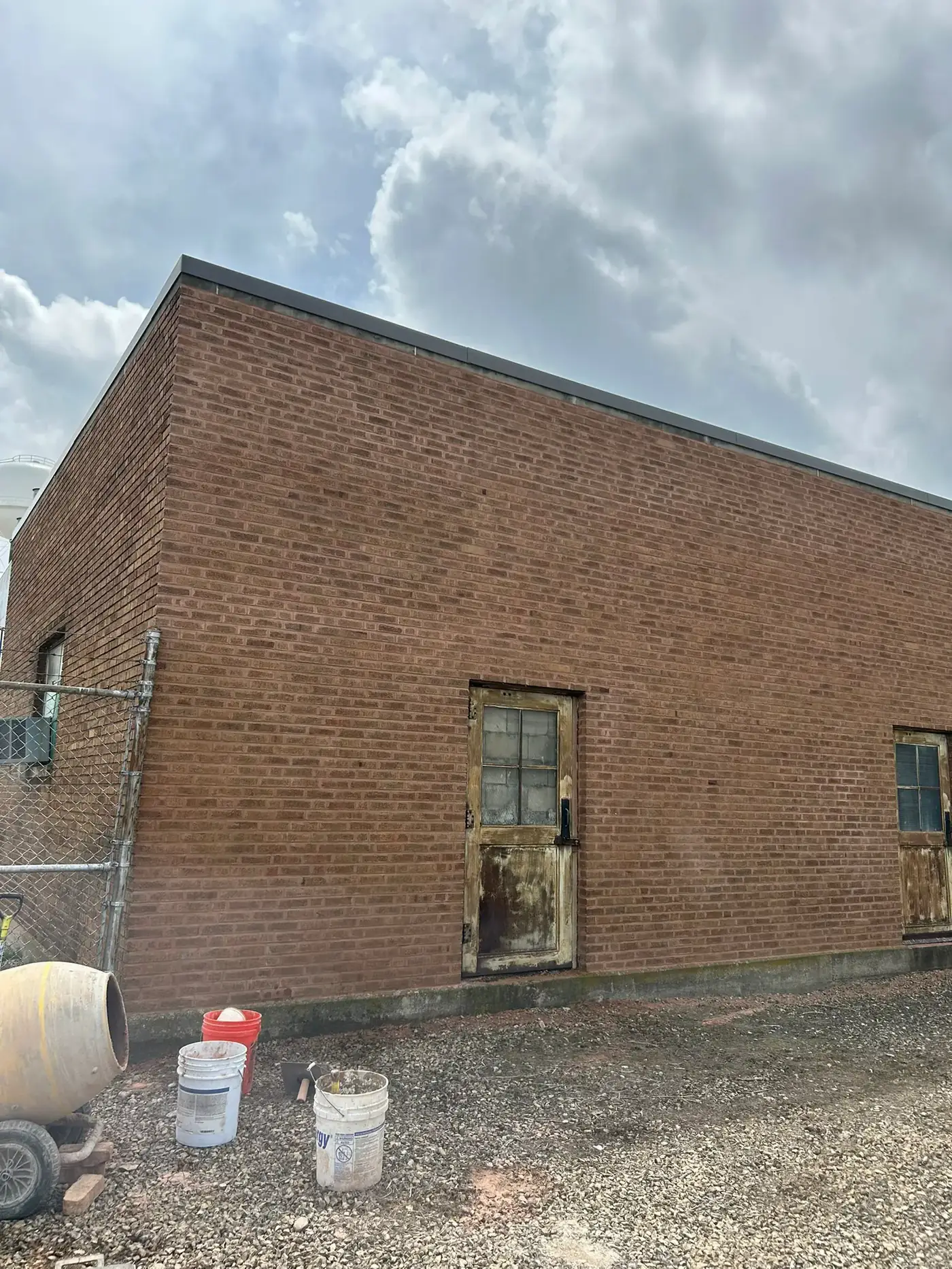
Downers Grove sits at a geographic and commercial crossroads in DuPage County — the Ogden Avenue and Butterfield Road corridors are lined with brick buildings constructed in the 1950s, 1960s, and 1970s. Those buildings are now 50 to 75 years old, and most were built with lime-based mortars that require period-appropriate repair when they start to fail.
Tuckpointing is not a cosmetic service. When mortar joints deteriorate past a certain point, water enters the wall assembly, freeze-thaw cycles open those gaps further, and what started as a repointing job becomes a partial or full brick replacement. The repair window matters. We've seen Downers Grove commercial properties where deferred maintenance turned a $4,000 tuckpointing job into a $20,000 brick removal and rebuild.
Emerald Masonry LLC has been doing this work in Chicagoland for decades. We understand DuPage County building stock, we match mortar properly, and we don't take shortcuts.
What Tuckpointing Actually Is
The term is used loosely in the trades, so it's worth being specific. Tuckpointing involves removing deteriorated mortar to a minimum depth — typically 3/4 inch — and packing in new mortar that is properly proportioned, tooled to match the original joint profile, and color-matched to the existing brick.
What it does not mean is smearing new mortar over the face of old mortar. That technique — sometimes called parging or face-sealing — does not bond properly, traps moisture, and fails within a season or two. We see it constantly on buildings where the previous contractor cut corners.
Why Downers Grove Buildings Fail When They Do
DuPage County records an average of 30 to 45 freeze-thaw cycles per year. Each cycle puts stress on mortar joints. Older lime mortars were designed to be slightly softer than the surrounding brick, absorbing movement. When they're replaced with modern Portland cement-heavy mixes that are harder than the brick, the brick spalls instead of the mortar giving way.
Downers Grove commercial properties face additional stress from:
- Ogden Avenue traffic vibration — sustained vibration from heavy truck traffic accelerates joint loosening in buildings close to the roadway
- Flat or low-slope roof drainage — many 1960s-era commercial buildings have drainage patterns that direct water into the upper wall section, saturating joints that are already weakened
- Large south-facing facades — wide commercial facades with full-sun exposure experience greater thermal expansion and contraction than residential structures
Residential properties in Downers Grove — especially the brick bungalows and two-flats in the older neighborhoods east of Main Street — have similar lime mortar challenges. Chicago common brick from the early 20th century requires soft mortar. Not all contractors know this.
How to Tell If You Need Tuckpointing
Walk the perimeter of your building and look for:
- Recessed mortar — joints where the mortar has dropped back more than 1/4 inch from the brick face
- Crumbling or powdery mortar — joints that crumble when probed with a key or screwdriver
- Hairline cracks at the mortar-brick interface — a sign the mortar has hardened and pulled away from the brick edge
- White staining (efflorescence) — mineral deposits left when water moves through the wall; a reliable indicator of active moisture intrusion
- Damp interior walls after rain — if you're seeing interior water after storms, the exterior envelope has a breach
Any one of these warrants a professional assessment. We offer free on-site estimates for properties throughout Downers Grove and DuPage County.
The Tuckpointing Process
Mortar removal. We use angle grinders with tuckpointing blades and hand chisels for tight areas. We grind to a minimum 3/4-inch depth on every joint — anything shallower fails because new mortar doesn't have enough thickness to bond properly.
Surface preparation. After grinding, we blow out joints with compressed air and dampen the brick. Dry brick absorbs moisture from fresh mortar too quickly, causing premature shrinkage and weak bond.
Mortar mixing. We proportion the mix based on what we're repairing. Older lime-based buildings get a Type S or Type N mix. Modern commercial brick typically gets Type S. We match color using pre-blended pigments when necessary.
Joint packing and tooling. We pack mortar in layers for deep joints, then tool to match the original profile — concave, V-joint, or grapevine depending on what the building originally had.
Cleanup and inspection. We clean mortar smears before they set, inspect all repaired sections, and walk the property with you before we leave.
Commercial Tuckpointing in Downers Grove
For commercial clients — strip mall owners, office building managers, HOA boards, property management companies — tuckpointing is a maintenance line item that pays for itself in avoided structural repairs. The Butterfield Road and Ogden Avenue corridors are full of buildings that were last tuckpointed 20 years ago and are now overdue.
We work around business operations. Large commercial projects are staged in sections so the building remains accessible. We provide insurance certificates and comply with DuPage County permit requirements when applicable.
Learn more about our full commercial masonry services or our masonry restoration capabilities.
Frequently Asked Questions
How deep does the old mortar need to be removed before new mortar will hold?
Minimum 3/4 inch from the face. Many contractors stop at 1/4 to 1/2 inch because it's faster — that's not enough for a mechanical bond. New mortar packed too shallow can be popped out with a fingernail within a few years. We grind to depth on every joint.
My building has Chicago common brick. Does that affect what mortar you use?
Yes, and it's one of the most important decisions in a tuckpointing project. Chicago common brick is relatively soft and porous. If you repair it with modern Type S or M Portland cement mortar, the mortar becomes harder than the brick. When the wall moves with temperature changes, the brick spalls instead of the mortar flexing. We use softer Type N or lime-based mixes on older common brick buildings.
How long does tuckpointing last?
Done correctly with the right mortar mix and proper joint depth, tuckpointing should last 20 to 30 years on a commercial building. The quality of the original repair is the biggest variable — cheap work with incorrect mortar or insufficient depth can fail in 5 years.
Can tuckpointing be done in cold weather?
Yes, with precautions. Mortar needs to stay above 40°F during cure — typically 24 to 48 hours. We use heated enclosures or blankets for cold-weather work when necessary, and we don't work in active precipitation or when temps are forecast to drop below freezing before the mortar sets.
Service Area
Emerald Masonry LLC is based in Palos Heights and serves Downers Grove and the broader DuPage County area including Westmont, Darien, Burr Ridge, Willowbrook, Woodridge, Lisle, and surrounding communities.
Free on-site estimates. No project too large or too small above our $1,000 minimum.
Ready to get started?
Free on-site estimates for commercial and large-scale projects.