
Limestone & Sill Repair · La Grange, IL
Limestone & Sill Repair in La Grange, IL — When the Wash Stops Working, the Wall Below Pays for It
A stone sill has two jobs: throw water off, and drip it clear of the wall. When it loses either one it quietly reverses role and starts feeding the masonry below it — which is why the worst brick on a La Grange house is so often directly under a sill that looks fine.
Quick Answer
Emerald Masonry LLC provides limestone and sill repair in La Grange, IL — restoring pitch and drip edges, executing Dutchman repairs with matched stone, and repointing stone joints with soft lime-based mortar on the village's historic homes and commercial buildings. Licensed, bonded and insured. Free on-site assessment — call (708) 288-1696.
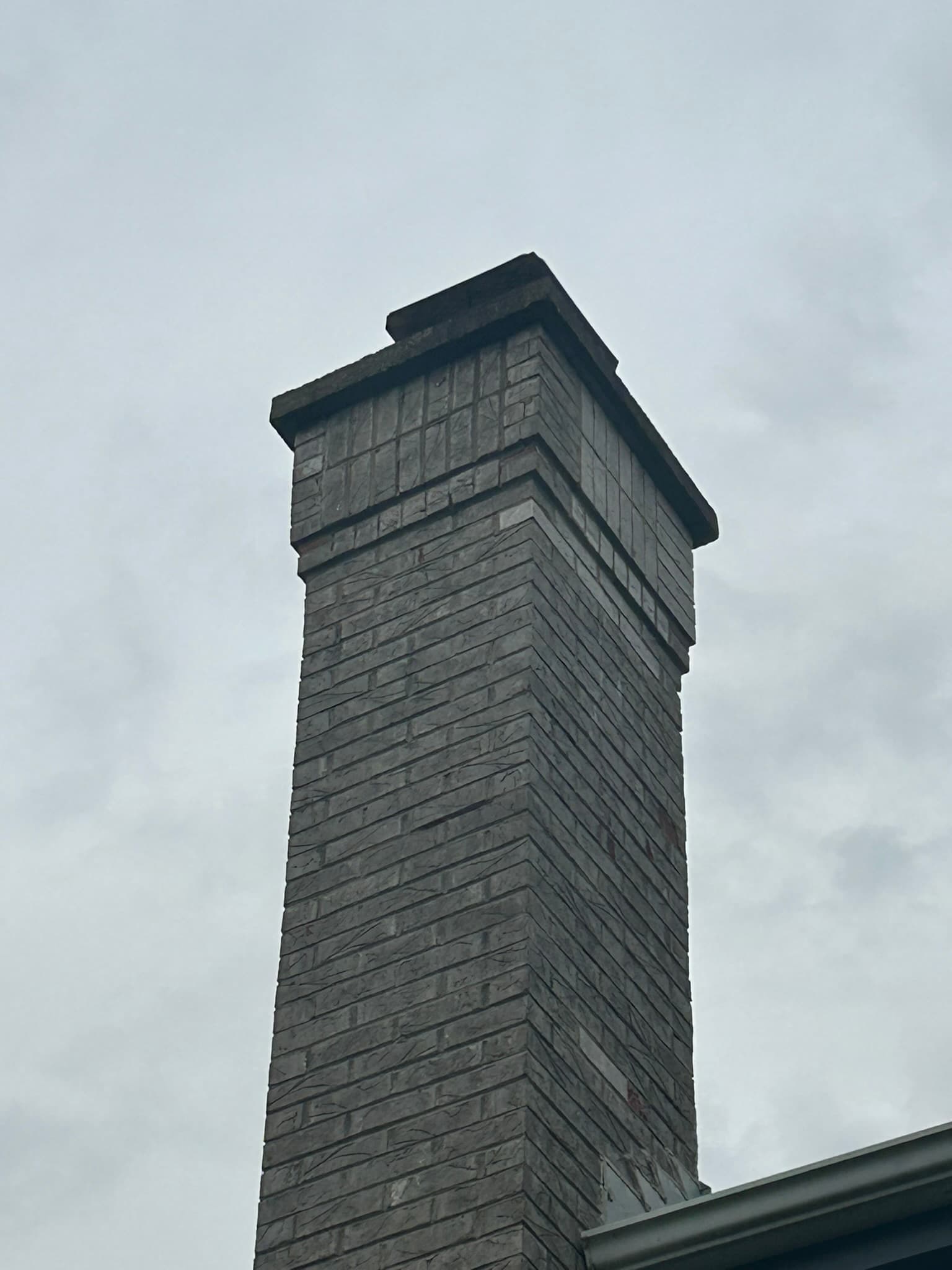
Limestone & Sill Repair in La Grange, IL
Emerald Masonry LLC provides limestone and sill repair in La Grange, IL — restoring pitch and drip edges, patching and Dutchman-repairing stone with matched material, resetting sills and repointing stone joints in soft lime-based mortar. Licensed, bonded and insured, on historic homes, commercial buildings and multi-unit properties. Free on-site assessment: (708) 288-1696.
La Grange has one of the better-preserved older housing and commercial stocks in western Cook County — Victorians, foursquares, prairie and revival homes, a genuine downtown, and historic districts that people bought into on purpose. Almost all of it uses limestone: window and door sills, water tables, band courses, lintels, entrance surrounds, porch elements, foundations.
And nearly all of the trouble those buildings have starts with one small detail almost nobody looks at.
A sill has two jobs, and it quietly stops doing both
A stone sill under a window is not decoration. It is a water-management device with two functions:
- Pitch — the top surface, the wash, slopes outward so runoff leaves rather than pools.
- Drip edge — a groove or projecting lip on the underside so water falling off the front is thrown clear instead of curling back along the bottom face and into the wall.
Both fail slowly and invisibly.
Pitch is lost when the sill settles, when a joint beneath it fails, when the stone erodes flat over a century, or when a previous "repair" troweled mortar across the wash to fill a crack and levelled it in the process.
The drip edge is lost almost every time someone patches a sill without knowing what the groove is for. A bead of caulk or a smear of mortar across the underside fills the drip, and from that day forward water runs along the bottom of the stone and straight into the masonry.
Here is the consequence, and it is the single most useful diagnostic on a La Grange house:
When the brick directly beneath a window is visibly worse than the brick anywhere else on the wall, the sill above it is almost always the cause — even when the sill itself looks fine.
The sill stopped shedding water and started delivering it. Everything below is now on the receiving end of every rainfall that hits that window.
What we find on La Grange stone
Spalling and delamination. The face of the stone flaking off in sheets or crumbling to a sugary surface. Usually moisture plus salts plus freeze-thaw, and very often accelerated by a previous hard-mortar repointing or an abrasive cleaning.
Cracked sills. Often straight through at mid-span, frequently over a corroded steel lintel below that has expanded and lifted.
Open and eroded joints at the stone perimeter, where water enters directly behind the unit.
Hard mortar in a soft wall. The most damaging thing a well-meaning contractor does to historic La Grange masonry. Mortar must always be softer than the unit it holds. Portland-heavy modern mortar in a soft limestone or soft old brick wall makes the joint stronger than the stone, so movement and freeze-thaw stress that used to relieve itself harmlessly in the joint now goes through the face of the stone instead.
Abrasive-cleaning damage. Sandblasting and high-pressure washing strip the weathered outer skin off limestone permanently. What is left is the soft, open interior of the stone, exposed directly to weather from then on. The building looks brighter for a season and deteriorates faster for the rest of its life. There is no putting that skin back.
Failed patches. Cement patches on limestone are harder and less permeable than the stone, so they trap moisture behind them and pop off, taking sound stone with them.
Repair before replace
Good stone is worth saving, and most of it can be.
| Method | When it is right | What it involves | | --- | --- | --- | | Re-pitch and restore the drip | The stone is sound but no longer sheds water | Correcting the wash, re-establishing a drip groove or edge, repointing the perimeter | | Patch with matched material | Localized spalling or a small failed area on a sound unit | Cutting back to sound stone, applying a compatible matched repair material | | Dutchman repair | A defined failed area on an otherwise good stone | Cutting a clean square pocket and setting a matched piece of stone into it, so the original unit stays | | Reset | The stone is intact but has shifted or lost bearing | Removing, correcting the bed and any steel beneath, resetting to correct pitch | | Replace | The stone has genuinely lost structure or bearing | New matched limestone or cast stone, cut to the original profile |
The order matters. A contractor whose first answer to a cracked sill is replacement has skipped four cheaper, more appropriate options and thrown away a piece of the building.
Check the steel underneath
On a great many La Grange buildings the sill or the stone lintel sits on, over, or next to steel — and corroding steel expands with enormous force, which is what cracks stone across the middle and lifts it out of plane.
If a sill is cracked at mid-span, if there is rust staining running down the masonry, or if a horizontal crack has opened in the courses above the opening, the stone is the symptom. Repairing it without addressing the steel means doing it again. That is why sill work and lintel repair are so often scoped together.
Our process
- Assess every opening on the elevation, not just the one that prompted the call — sills fail in batches because they are the same age, the same stone and the same exposure.
- Check pitch and drip on each, by eye and by hand.
- Look for the steel and for rust staining above and below.
- Establish the match — stone, repair material, and a soft lime-based mortar matched for color, texture and profile, on a physical sample.
- Choose the least invasive method that genuinely restores the element.
- Correct the water path first — pitch, drip, joints, and anything overhead delivering water to the opening.
- Repoint the surrounding masonry where the stone's failure has opened joints.
- Cure and protect the work rather than letting it flash-dry.
Historic districts: build approval time into the schedule
For properties in or near La Grange's historic districts, confirm review requirements with the village before the scope is finalized. Approval time is real time, and a schedule that ignores it will be late. We prepare physical match samples and thorough pre-existing-conditions photography as part of the assessment — which is the same package that protects an owner if anyone later disputes what the building looked like beforehand.
What drives the cost
The number of elements in scope — sills fail in batches, and doing eight at one mobilization is far more efficient than eight visits. The method each one needs, from re-pitching to full replacement. Access and staging. How difficult the stone is to match. Whether steel is involved beneath the stone. Whether the wall below needs rebuilding after years of being fed water. And whether match samples or district review are required. We price scope, state exclusions, and put in writing how hidden conditions are handled.
Trust signals
Emerald Masonry LLC is a family-owned commercial masonry contractor serving Chicago and the Chicagoland suburbs, established 2024 and led by career masons with decades of hands-on Chicagoland experience, in commercial tuckpointing, façade and parapet repair, lintel replacement, chimney and stack rebuilds, CMU block repair, brick repair and replacement, foundation and limestone/sill repair, caulking, sealing, and commercial, residential and historic masonry restoration. Licensed, bonded and insured; COI, W-9 and lien waivers on request. Non-union. Based at 7156 W. 126th St. Suite 136, Palos Heights, IL 60464. Free on-site assessments — call (708) 288-1696.
Related services
- Limestone and sill repair — washes, drip edges, patching and Dutchman repairs
- Historic masonry restoration — soft mortars, matched materials, gentle cleaning
- Lintel repair — the corroded steel that cracks stone from beneath
- Tuckpointing and repointing — soft lime-based mortar at stone joints
- Brick repair — the courses beneath a sill that stopped shedding water
- Residential masonry restoration — whole-property scope and phasing
Get a stone assessment in La Grange
If the brick under a window is visibly worse than the wall around it, a sill has cracked across the middle, or a previous patch has started popping off, get the stone looked at by someone whose first instinct is to save it. Emerald Masonry LLC — (708) 288-1696 — or request an on-site assessment.
Ready to get started?
Free on-site estimates for commercial and large-scale projects.
Limestone & Sill Repair in La Grange, IL — Frequently Asked Questions
How much does limestone sill repair cost in La Grange, IL?
It is priced per element and by method. A sill that can be patched and re-pitched is very different from a Dutchman repair or a full replacement in matched stone, and access, the number of sills, and whether the wall beneath needs rebuilding all move it. Emerald Masonry LLC gives a free on-site assessment and a written scope — call (708) 288-1696.
Why is the brick directly under my window sill the worst on the wall?
Because the sill stopped shedding water and started delivering it. When a sill loses its slope, or its drip groove underneath gets filled with a mortar patch, runoff travels back along the underside and into the masonry below — so the courses under the sill take far more water than the rest of the wall.
Can a cracked limestone sill be repaired, or does it need replacing?
Very often repaired. A sound sill with a crack or a spalled area can be patched with matched material, or given a Dutchman repair where a piece of matching stone is cut in to replace only the failed section. Full replacement is for stone that has genuinely lost its structure or its bearing.
What is a Dutchman repair?
A method of saving a stone rather than replacing it. The failed area is cut back to a clean, square pocket and a matching piece of stone is fitted and set into it, so the original unit stays in the wall and only the deteriorated portion is renewed.
Should limestone be sealed?
Rarely, and never as a substitute for repair. Sealing traps moisture in a porous stone that needs to dry outward, and sealing over salts already in the stone drives spalling. Correct the pitch, the drip edge and the joints first — that solves far more than any coating.
Can you clean the stone as part of the repair?
Only by the gentlest method that works. Sandblasting and high-pressure washing permanently strip the weathered outer skin off limestone, leaving a softer, more absorbent surface that deteriorates faster afterward. We test on an inconspicuous area and stop at an acceptable result rather than a bright one.
Do you work on properties in La Grange's historic districts?
Yes. On historic stone and soft brick we use soft, lime-rich mortar rather than hard modern mixes, prepare physical match samples before proceeding, and photograph existing conditions thoroughly. Confirm any village or district review requirements before the scope is finalized so approval time is in the schedule.
Do you serve La Grange and the surrounding suburbs?
Yes — La Grange, 60525, and the surrounding Cook and DuPage County communities including La Grange Park, Western Springs, Brookfield, Hinsdale, Countryside, Riverside and Westchester. Emerald Masonry LLC is based in Palos Heights, IL. Call (708) 288-1696.
Limestone & Sill Repair in Nearby Areas
Other Masonry Services in La Grange, IL
Learn more about our limestone & sill repair services across Chicagoland, or view all service areas.