
Lintel Repair · Aurora, IL
Lintel Repair in Aurora, IL — Treat It, or Replace It? The Test That Decides
Not every corroded lintel needs replacing, and not every one can be saved. There is a straightforward test that decides — and applying it correctly is the difference between a proportionate repair and an unnecessary one.
Quick Answer
Emerald Masonry LLC provides lintel repair in Aurora, IL — assessing corroded steel lintels above windows, doors and garage openings, treating what can be saved, replacing what cannot, installing flashing, and rebuilding the brick above with matched units. Family-owned, licensed and insured, career masons with decades of Chicagoland experience, free on-site estimates. Call (708) 288-1696.
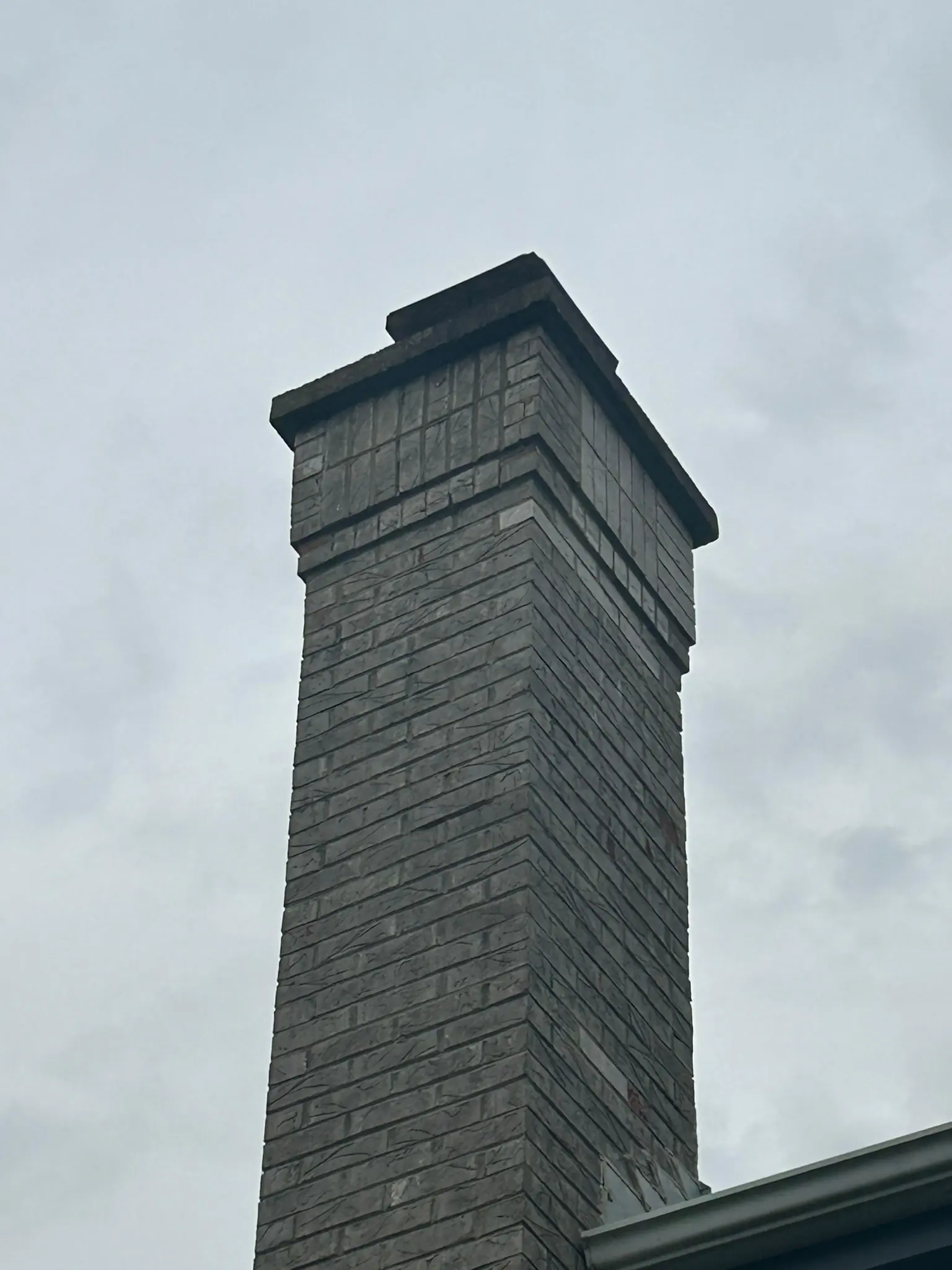
Lintel Repair in Aurora, IL
Lintel repair in Aurora, IL splits into two very different jobs, and the first thing a competent mason owes you is an honest answer about which one your opening needs. Emerald Masonry LLC repairs and replaces lintels throughout Aurora, the Fox Valley and Kane County — family-owned, licensed, bonded and insured, career masons with decades of Chicagoland experience, free on-site estimates. Call (708) 288-1696.
Some corroded lintels can be cleaned back, treated and flashed for many more years of service. Others are structurally spent and must come out. Selling every homeowner the second one is lazy; recommending the first one on steel that has lost section is worse.
What a Lintel Is, and Why It Rusts
A lintel is the beam that carries masonry across an opening. Across most of Aurora's twentieth-century housing stock it is a bare, ungalvanized steel angle set into the wall above a window, door or garage header.
Steel in masonry survives only as long as it stays dry. Once water reaches it — through an open joint above, a failed sill, deteriorated or absent flashing, or a sealant line nobody has touched in thirty years — it corrodes. And corroding steel does not merely weaken. It expands to several times its original volume, and buried in a wall that expansion has nowhere to go but up and out.
That is rust jacking: it splits the mortar joint above the steel, lifts the brick course, pushes the face out of plane, and finally loosens brick over a doorway. It is also the single most misdiagnosed masonry defect in Chicagoland. Homeowners tuckpoint the crack; it returns in two seasons, because the crack was never the problem. The orange bleeding that often appears first is covered in our guide to rust stains and orange streaks on brick.
The Test That Decides Treat vs. Replace
| Finding at the steel | The proportionate answer | |---|---| | Light surface corrosion, full section, sound bearing, no deflection | Treat — clean back, treat, prime, flash and repoint above | | Scaling rust but no measurable section loss or movement | Treat, with the water source corrected and the opening monitored | | Section loss, pitting through, or visible swelling lifting the course | Replace | | Any measurable deflection or sag at mid-span | Replace | | Loss of bearing at one or both ends | Replace, and rebuild the bearing pockets | | Masonry above already loose or displaced | Replace, with shoring before removal |
The honest part of that table is the top two rows. A lintel with surface corrosion and its full section is not an emergency, and telling you so costs us a bigger invoice.
Reading the Crack
- A horizontal crack in the joint immediately above an opening — the signature of rust jacking
- Orange staining bleeding from the steel edge or running down the brick below
- Brick above the opening lifted, stepped or bowed outward
- A visible sag at mid-span on a wide garage or picture-window header
- Step cracks angling up from the opening corners
- Windows or doors that stick or bind under a masonry opening
- Loose or drummy brick directly over the head of the opening
Aurora's Two Kinds of Openings
Older stone-headed openings. Aurora's nineteenth-century neighbourhoods on both sides of the Fox River carry openings headed with stone lintels rather than steel — locally quarried limestone doing the work directly. Those fail from settlement, from saturation and freeze-thaw, and from adjacent embedded steel corroding nearby. They are repaired as stone work: crack repair, Dutchman patching or replacement in matched stone, pointed in soft, lime-rich mortar. Applying a steel-lintel repair logic to a stone-headed opening is simply the wrong trade.
Twentieth-century steel-headed openings. The bungalows, ranches, split-levels and postwar homes across the rest of the city, plus the storefronts and multi-tenant buildings along the commercial corridors, are the bare-angle stock. Wide spans are where it shows first — attached garage headers and mid-century picture windows carry more brick over longer spans and deflect more, which is why they consistently fail before narrower openings on the same house.
On commercial and multi-tenant buildings the same failure runs at larger scale, and the sequencing is different — see lintel replacement on commercial buildings.
Our Repair Process
- Diagnose the opening. Confirm the steel is the cause rather than settlement or a sill problem, check bearing at both ends, and check the rest of the elevation — lintels fail in batches, and finding that out later is expensive.
- Shore the masonry above before any steel is disturbed. This is what separates a controlled replacement from a wall coming down on a garage door.
- Remove the brick course carefully and salvage it. Sound units are cleaned and kept in order for reuse.
- Treat or replace the steel. Where replacement is warranted, new angle is sized to the span, set with proper bearing at each end, and protected against corrosion so this repair does not become the next generation's rust jacking.
- Flash and drain the head. Through-wall flashing and weeps are what keep water off the steel; skipping this is why replacements fail early. Our guide to through-wall flashing in masonry walls explains the assembly.
- Rebuild the brick, matched. Salvaged and matched units relaid in mortar matched for color, texture and hardness, tooled to your existing joint profile.
What Drives the Cost
Span width, from a bungalow window to a two-car garage header · how much brick above must be removed and rebuilt, which is usually more than the visible crack suggests · shoring requirements · number of failing openings on the elevation, since doing several together is more efficient than one at a time · height and access, including storefront and upper-story openings needing staging · related sill, flashing or tuckpointing work on the same elevation · brick-match difficulty · season and curing conditions. The on-site assessment is free and written, with a $5,000 project minimum.
Emerald Masonry LLC is a family-owned, licensed and insured masonry contractor serving Chicago and the Chicagoland suburbs led by career masons with decades of hands-on experience in tuckpointing, chimney repair, brick repair and replacement, lintel and parapet repair, foundation and limestone/sill repair, caulking, sealing, and commercial, residential, and historic masonry restoration. Free on-site estimates — call (708) 288-1696.
Serving Aurora and the Fox Valley
We repair and replace lintels across Aurora — the historic neighbourhoods near the river, the twentieth-century residential streets, and the commercial and institutional buildings along the corridors — and throughout Kane County. Related work on the same building frequently includes brick repair in Aurora, limestone and sill repair in Aurora and parapet wall repair in Aurora. We do the same work in North Aurora, Montgomery, Batavia, Geneva and Oswego.
Why Aurora Owners Call Emerald
We assess every opening before we price it, we say plainly when steel can be treated rather than replaced, we shore before we cut, and we flash what we set. Family-owned, licensed, bonded and insured, career masons with decades of Chicagoland experience — with the historic-masonry judgment that Aurora's older stone-headed openings actually require.
Cracked or lifted brick above an Aurora window, door or garage opening will not settle out on its own. Request a free on-site estimate or call (708) 288-1696.
Ready to get started?
Free on-site estimates for commercial and large-scale projects.
Lintel Repair in Aurora, IL — Frequently Asked Questions
How much does lintel repair cost in Aurora, IL?
Opening width is the biggest driver, followed by how much brick above must come down and be rebuilt, whether shoring is required, height and access, and how many openings on the elevation are failing at once. Emerald Masonry inspects each opening and provides a free written estimate rather than a per-opening phone quote.
Can a rusted lintel be treated instead of replaced?
Sometimes. Surface corrosion on steel that still has its full section, adequate bearing at both ends and no deflection can be cleaned back, treated, primed and properly flashed. Once the steel has lost real section, has visibly deflected, or has swelled enough to lift the brick, treating it only delays the replacement.
What is rust jacking?
Corroding steel expands to several times its original volume, so a rusting lintel buried in a wall physically pushes the masonry above it up and out. That force is what splits the mortar joint, lifts the brick course and eventually loosens brick over the opening — the brick is the symptom, the steel is the cause.
How do I know my lintel is failing?
Look for a horizontal crack in the joint directly above a window, door or garage opening, orange rust staining bleeding at the steel, brick above the opening lifted or pushed out of plane, a visible sag at mid-span on a wide opening, and step cracks angling up from the opening corners.
Why do several lintels on one house fail at the same time?
Because they were installed together from the same unprotected steel and have taken the same weather ever since. Lintels fail in batches by elevation, particularly on the south and west faces, so it is worth assessing the whole elevation rather than pricing one opening.
My older Aurora home has stone lintels, not steel. Do those fail?
They do, differently. Stone lintels crack through from settlement, from saturation and freeze-thaw, or from adjacent embedded steel corroding, and a cracked stone lintel is repaired or replaced as stone work — not by treating a piece of steel that is not there.
Is a failing lintel urgent?
Not usually overnight, but it never stops on its own and it gets more expensive every season, because the same corrosion that cracks a joint eventually loosens brick above a doorway people walk through. If brick is visibly loose or displaced, treat it as urgent and keep the area below clear.
Lintel Repair in Nearby Areas
Other Masonry Services in Aurora, IL
Learn more about our lintel repair services across Chicagoland, or view all service areas.