
HOA & Condo Masonry Repair · Palos Heights, IL
HOA & Condo Masonry Repair in Palos Heights, IL — For the Self-Managed Board With No Reserve Study
Most masonry advice for associations assumes a professional manager, a funded reserve study and a capital plan. A great many Palos Heights associations have a volunteer treasurer, a checking account and three proposals nobody can compare.
Quick Answer
Emerald Masonry LLC provides HOA and condo masonry repair in Palos Heights, IL — multi-building repointing, chimney, lintel and brick work for townhome and condominium associations, written as phased, separately-priced scopes a volunteer board can actually compare and approve. Licensed, bonded and insured; COI, W-9 and lien waivers on request. Call (708) 288-1696.
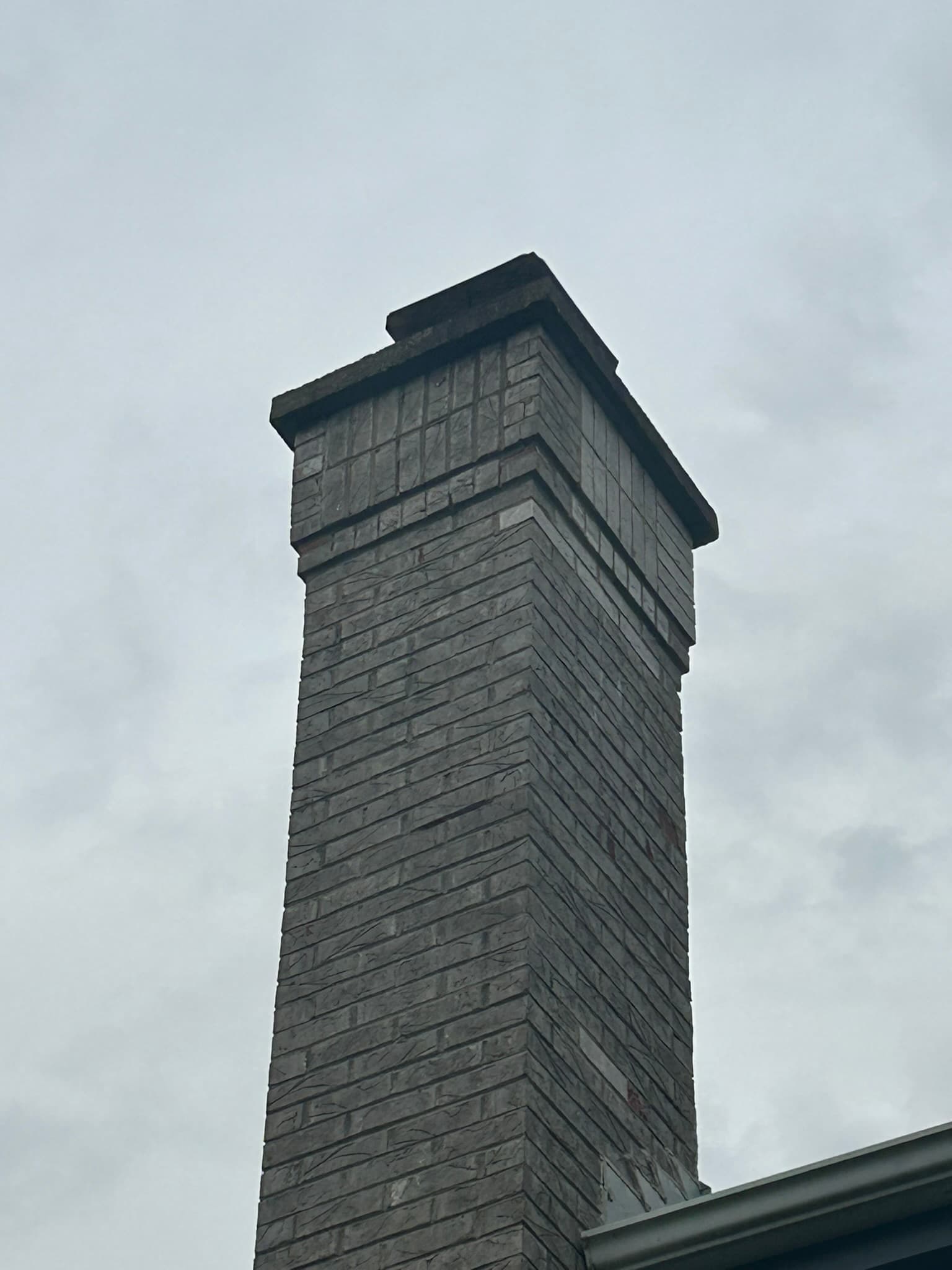
HOA & Condo Masonry Repair in Palos Heights, IL
Emerald Masonry LLC provides HOA and condo masonry repair in Palos Heights, IL — multi-building repointing, brick repair and replacement, chimney work, lintels and sealant for townhome and condominium associations. Licensed, bonded and insured, with phased scopes written so a volunteer board can compare them. Free on-site assessment: (708) 288-1696.
Almost everything written about association masonry assumes a particular reader: a professional property manager, working from a funded reserve study, executing a capital plan approved two budget cycles ago.
That is not most Palos Heights associations.
A great many of the townhome and condominium associations here — the clustered developments off Harlem, Ridgeland and 127th, the smaller courts and courtyards — are self-managed. The board is three or five neighbors. The treasurer has a spreadsheet and a checking account. There is no reserve study, or there is one from 2011. And right now there are three masonry proposals on the table with numbers that differ by a factor of two and no way to tell why.
This page is written for that board.
Why the three proposals don't match
They almost never do, and it is usually not because anyone is gouging you. You are looking at three different projects.
One bidder walked two buildings and assumed the rest match. One priced spot repointing of visible failures. One priced full elevations. One included the chimneys, one excluded them. One carried staging for the rear elevations; one assumed ladder access. None of them said which.
So the fix is not to negotiate the numbers. It is to make everyone bid the same thing. Ask every bidder, in writing:
- Which buildings and which elevations are in the scope — listed individually?
- What quantities — square feet of repointing, count of units to be replaced, number of chimneys and lintels, linear feet of sealant?
- How deep are the joints cut? (The answer should be roughly two and a half times the joint width, not "we grind them out.")
- What mortar, and how is it matched?
- What staging method, and does the price include it?
- How are hidden conditions priced — is there a unit rate carried in the bid?
- What is excluded?
A bidder who can answer all seven in one page has done the work. A bidder who cannot has given you a number, not a proposal — and the difference will surface as change orders after the board has already voted.
Start with a condition assessment, not a bid
If your association has no reserve study, the single most valuable thing you can buy is not repointing. It is an assessment of every building, documented and ranked.
That produces the two things a board actually lacks:
- A defensible order of work. Not "the building the loudest owner lives in," but a risk ranking anyone can read.
- Real numbers to put into a budget or a reserve study, instead of a figure someone guessed at.
We walk every building, sound the masonry rather than eyeballing it, photograph conditions by building and elevation, and hand the board a document it can act on — including the parts that do not need doing this year, which is usually more of the property than people expect.
Your buildings age as a cohort
Here is the structural fact that shapes association masonry, and it cuts both ways.
When eight or twelve buildings go up inside the same eighteen months, with the same brick, the same mortar, the same lintels and the same details, they do not fail in a convenient rotation. They arrive at the end of their mortar's service life together.
The bad news is that everything qualifies at once and the budget does not.
The good news is bigger than most boards realize:
- One building predicts the others. Real opened-wall quantities from a pilot building replace guesswork across the whole property.
- One mobilization covers many buildings, which is materially cheaper per building than separate visits in separate years.
- One mortar and brick match is established once and carried across the property, so building nine matches building one.
That is why we often scope one building completely, execute it, and then price the balance as unit work using what the first building actually revealed.
Ranking by risk, so a board can vote
| Priority | What belongs here | Why it leads | | --- | --- | --- | | 1 | Loose or displaced units above entries, walks and patios; unstable chimney crowns | Falling material is the only failure that becomes an incident | | 2 | Active water entry — failed lintels, open joints on weather elevations, chimney and flashing leaks | Water in a wall turns repointing into rebuilding, and produces unit-owner claims | | 3 | Accelerating deterioration where joints have receded past the face of the brick | Quantities grow every winter this waits | | 4 | Appearance — stained, mismatched or previously patched areas | Real value, no urgency |
Each phase gets its own price. A board can approve phase one at the next meeting and take phase two into the following year's budget with a number it can trust — which is frequently what prevents a special assessment rather than causing one.
Common element or unit owner?
The question every association masonry conversation eventually reaches, and the honest answer is: read your declaration.
Your governing documents define common elements, limited common elements and unit boundaries, and those definitions decide who pays. Exterior walls are usually common elements and therefore the association's responsibility. But chimneys, patios, balconies, stoops and privacy walls are treated inconsistently from one declaration to the next — sometimes common, sometimes limited common with the owner responsible for maintenance, sometimes explicitly the owner's.
What a mason can contribute is precision about what is broken and where, in writing and by element, so the board's discussion — and its attorney's, if it gets that far — is about a documented condition rather than a memory of a phone call.
What we actually repair on Palos Heights associations
- Repointing where joints have receded, matched by color, texture and profile
- Brick replacement for spalled and failed units, matched by size, color, texture and era
- Chimneys — crowns, caps, flashing and repointing, and these are usually the fastest-weathering masonry on the property because they are exposed on four sides and the top
- Steel lintels over windows, patio doors and garage openings, where rust jacking has lifted the courses above and drawn a horizontal crack
- Sealant joints at windows, doors and movement joints, decades past a fifteen-to-twenty-year service life
- Base courses and the splash line, where snow piling, de-icing salt on the walks and rain splash off flat ground concentrate the damage
- Stoops, patios and freestanding walls, subject to the common-element question above
Working around residents
Association work is occupied work by definition, and residents are not tenants — they are the people who voted for this.
- Written notice ahead of each building and elevation, given to the board to distribute
- Patios, decks, landscaping and vehicles protected and access maintained
- Staging planned against parking, which on a townhome property is the thing residents complain about most
- Daily cleanup, especially of mortar debris on walks and patios
- A single point of contact for the board, so five owners are not calling five different people
What drives the cost
How much wall is actually failing, not total square footage. The number of buildings and whether they can be done in one mobilization. Height and staging. The number of chimneys and lintels, which are separate, slower operations. How difficult the brick and mortar are to match. Access constraints on rear elevations, courtyards and between buildings. And what is found once the first wall is opened — which is exactly why a pilot building and carried unit prices are worth more to an association than the lowest headline number.
Trust signals
Emerald Masonry LLC is a family-owned commercial masonry contractor serving Chicago and the Chicagoland suburbs, established 2024 and led by career masons with decades of hands-on Chicagoland experience, in commercial tuckpointing, façade and parapet repair, lintel replacement, chimney and stack rebuilds, CMU block repair, brick repair and replacement, foundation and limestone/sill repair, caulking, sealing, and commercial, residential and historic masonry restoration. Licensed, bonded and insured; COI, W-9 and lien waivers on request. Non-union. Based at 7156 W. 126th St. Suite 136, Palos Heights, IL 60464 — this is our home town.
Boards start at HOA and condo associations; managed properties at property managers; owners and GCs at commercial.
Related services
- Commercial masonry restoration — multi-building scopes, phasing and unit pricing
- Tuckpointing and repointing — matched mortar across a property
- Chimney repair — the fastest-weathering masonry on a townhome property
- Lintel repair — rust-jacked steel over patio doors and garage openings
- Brick replacement — matched units where the face has failed
- Caulking and joint sealant — window and movement joints past service life
Get a documented assessment your board can vote on
If your association is holding three proposals it cannot compare, or has no reserve study and no idea what the real multi-year number is, start with an assessment of every building — including an honest account of what does not need doing yet.
Emerald Masonry LLC — (708) 288-1696 — or request an on-site assessment.
Ready to get started?
Free on-site estimates for commercial and large-scale projects.
HOA & Condo Masonry Repair in Palos Heights, IL — Frequently Asked Questions
How much does HOA masonry repair cost in Palos Heights, IL?
It is priced by scope across the whole property, not per building guess. The drivers are how much wall is actually failing, building height and staging, the number of chimneys and lintels, and whether the buildings can be done in one mobilization. Emerald Masonry LLC gives a free on-site assessment and a phased written scope — call (708) 288-1696.
Our association has no reserve study. Where do we start?
Start with a documented condition assessment of every building, ranked by risk. That gives you the two things you actually need: a defensible order of work, and real numbers to put into a reserve study or a phased budget rather than an allowance somebody guessed at.
Who pays — the association or the unit owner?
That is set by your declaration and bylaws, which define common elements, limited common elements and unit boundaries. Exterior masonry is usually a common element and therefore the association's, but chimneys, patios and balconies vary by document, so read yours before assuming.
How do we compare three masonry proposals that are wildly different?
Usually they are three different projects, not three prices for one project. Ask each bidder which buildings and elevations are included, the quantities, how deep the joints are cut, the mortar specification, the staging method, and how hidden conditions are priced. Differences almost always live there.
Can we phase the work across several years?
Yes, and most associations should. We rank by risk — falling material first, then active water entry, then accelerating deterioration, then appearance — and price each phase separately so a board can approve phase one now and carry real numbers into next year's budget.
Do we need a special assessment?
Not necessarily, and a phased scope is often what avoids one. Knowing the true multi-year number early lets a board raise assessments gradually or fund a phase a year, rather than facing the whole figure at once after a failure forces the issue.
Do you provide a COI, W-9 and lien waivers?
Yes — on request before work starts, and lien waivers with each payment application. Associations need that paperwork for their files and their insurer, and a contractor who cannot produce it is a risk to the board personally.
Do you serve Palos Heights and nearby associations?
Yes — Palos Heights, 60463, and the surrounding southwest Cook County communities including Palos Park, Palos Hills, Orland Park, Worth, Chicago Ridge and Hickory Hills. Emerald Masonry LLC is based at 7156 W. 126th St. Suite 136, Palos Heights, IL 60464. Call (708) 288-1696.
HOA & Condo Masonry Repair in Nearby Areas
Other Masonry Services in Palos Heights, IL
Learn more about our hoa & condo masonry repair services across Chicagoland, or view all service areas.