
Commercial Masonry Restoration · Chicagoland, IL
Bid Your Masonry in the Fall: Why Next Summer's Project Is Won or Lost Between October and December
The masonry season in Chicagoland runs roughly April to November, but the decisions that control it — the assessment, the scope, the budget vote, the bid, the contract — all happen in the months when no mortar is being laid. Property managers and boards who start in October get the first slot on the calendar. The ones who start in April get what is left.
2026-10-01
Quick Answer
Property managers, HOA and condo boards, and facility managers in Chicagoland should assess, scope and bid exterior masonry between October and December for work the following spring and summer. Leaves are down so façades are visible, budgets and reserve draws are being approved, contractor calendars are still open, and permits can clear before the season. Emerald Masonry LLC provides free on-site assessments and written scopes — (708) 288-1696.
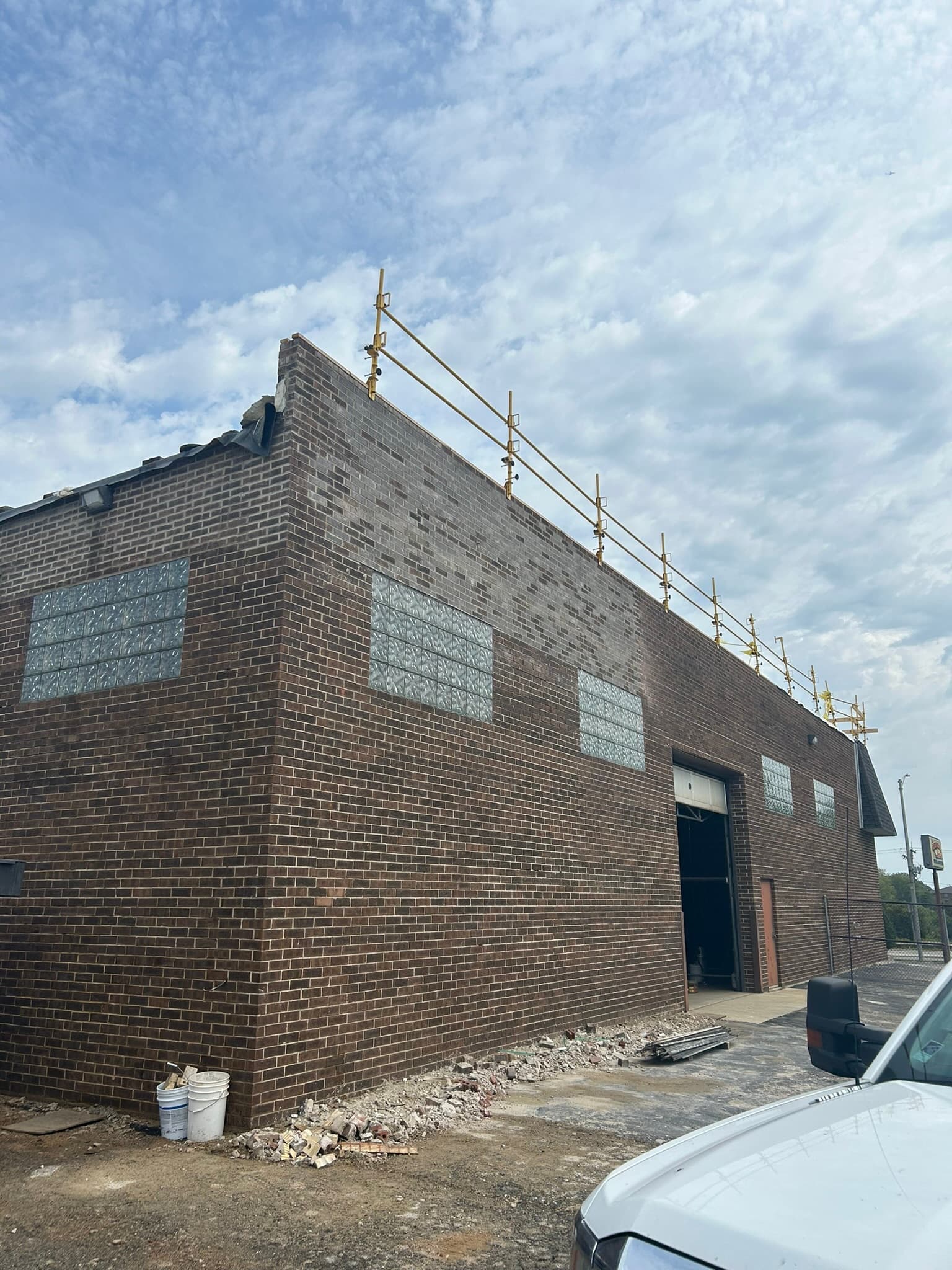
Bid Your Masonry in the Fall: Why Next Summer's Project Is Won or Lost Between October and December
The time to plan, scope and bid exterior masonry work in Chicagoland is October through December — not April. The leaves are down so the façade is visible, operating budgets and reserve draws are being set, contractors' calendars for next season are still open, and there is enough runway for a board vote and a permit before the first warm week. Property managers, HOA and condo boards and facility managers who start in the fall get the first slot on the schedule and the most comparable bids; the ones who start in spring get late summer or next year. Emerald Masonry LLC provides free on-site assessments and written scopes across Chicago and the Chicagoland suburbs — call (708) 288-1696.
There is a strange mismatch in how commercial masonry gets bought. The work itself happens between roughly April and November, because mortar needs warmth to cure. But almost every decision that determines whether that work goes well — what gets inspected, what goes in the scope, how much gets approved, who gets hired, when they start — can only be made in the months when no mortar is being laid.
Most buildings make those decisions late. Somebody notices a problem in the spring, asks for three quotes in May, takes them to a board in June, and discovers in July that every good contractor is booked into October. The work either gets crammed into the shoulder of the season, when cold-weather limits start to bite, or slides to the following year while the water keeps getting in.
This post is about running that calendar the other way round.
Why the masonry season is decided in the off-season
Think of an exterior masonry project as two separate jobs.
The first job is paperwork: an assessment, a written scope with quantities, a budget, an approval, a competitive bid, a contract, a certificate of insurance, a permit and a schedule. None of it depends on the weather.
The second job is masonry: grinding out joints, repointing, replacing brick, rebuilding a parapet, setting a new lintel, re-caulking. All of it depends on the weather.
In Chicagoland, the masonry season is roughly seven months long. The paperwork can take three to five of them. Do the paperwork in the cold months and the whole of the season is available for the masonry.
That is the entire argument. The rest of this post is the detail.
Why fall is the best time to look at a façade
The leaves are down
From late October a deciduous tree stops hiding the wall behind it. Ivy dies back. Step cracks, receding mortar joints, rust staining below a lintel, a bowed section of veneer and spalled brick at grade are all visible in a way they are not in July. A fall façade inspection sees more of the building.
It shows you what the summer did and what the winter will do
A fall walk catches the summer's damage — open coping joints on the parapet, failed sealant at windows and expansion joints, efflorescence trails showing where water is moving inside the wall — right before the freeze-thaw cycle starts working on exactly those openings. Water in a joint in November is ice in a joint in January, and ice is what turns a tuckpointing scope into a brick-replacement scope.
It catches hazards before they become winter emergencies
The most important outcome of a fall assessment is not next year's scope. It is the short list of things that cannot wait — a loose brick over an entrance, a displaced coping stone, a cornice element that has moved, a lintel that has dropped. Finding those in October means a calm make-safe. Finding them in February means a pedestrian barricade, a cold-weather emergency rate and a phone call nobody wants.
The budget calendar: why October matters to boards and owners
Most commercial owners, management companies and associations set next year's operating and capital budgets in the fourth quarter. That timing is the reason fall assessment is so valuable.
- Owners and asset managers need a number to put in next year's capital plan. A written assessment with a prioritised scope gives them one that is defensible, rather than a placeholder.
- HOA and condo boards need to know whether masonry comes out of reserves or requires a special assessment, which under many governing documents means notice to owners and sometimes a vote. That process cannot be compressed into a spring board meeting.
- Facility managers at churches, schools and municipal buildings often work to a fiscal year and a formal procurement process with its own lead time.
If the masonry number is not in the budget approved in December, the project usually cannot be contracted in March — however urgent it looks.
A practical fall-to-spring timeline
Every building is different, but this is the sequence that works for most commercial, multi-family and association properties in Cook, DuPage and Will County.
| Month | What happens | Who owns it | |---|---|---| | October | Fall walk-around; on-site masonry assessment with photos; identify make-safe items | Property manager / facility manager, mason | | Late Oct – Nov | Make-safe work on hazards before hard freeze; written scope with quantities and priorities | Mason | | November | Scope and budget figure to owner or board; decide reserve vs. special assessment | Board / owner | | Nov – Dec | Budget and capital plan approved; owner notice if an assessment is required | Board / owner | | December – January | Issue scope for bid to qualified masonry contractors; site walks | Property manager | | January – February | Level bids line by line; clarify exclusions; check COI, W-9, references | Property manager, board | | February – March | Award contract; collect COI and insurance endorsements; apply for permits | Owner, mason | | March | Notify tenants and residents; confirm staging, parking and sidewalk protection | Property manager, mason | | April – June | Masonry work, phased by elevation or building | Mason |
Shift this two months later and every row lands on top of the next one — which is exactly what happens on a building that starts in the spring.
What can and cannot be done in winter
Winter is not dead time on a masonry project, but it is not mortar season either.
Mortar has to cure above freezing. Fresh mortar contains water, and if that water freezes before the mortar gains strength, the joint is weakened from the start. Working through a Chicagoland winter means tented enclosures, heaters and protection that add cost and are rarely justified for routine tuckpointing. Our post on cold-weather masonry repair in Illinois covers the technical limits.
What the cold months are good for:
- Assessment and documentation — dry, leafless walls are easy to read.
- Scope writing and quantity takeoffs.
- Bidding, leveling and contract negotiation.
- Material sourcing — matching salvaged or specialty brick, ordering cut limestone sills or steel lintels that have lead times.
- Make-safe and emergency work — removing loose units, netting, temporary shoring, sidewalk protection.
- Mortar mock-ups and colour samples prepared ahead of the season where conditions allow, so the board can approve the match before work starts.
What should almost always wait: full-elevation repointing, parapet rebuilds, large brick replacement areas, and masonry sealing, which needs dry, warm masonry to perform.
Make-safe before the freeze: the one thing that cannot be deferred
Deferring a repointing project from fall to spring is normal and sensible. Deferring a hazard is not.
A make-safe is temporary work whose only job is to stop something falling or stop water entering at scale until the permanent repair can be done in season. Typical examples on commercial and association buildings:
- Removing loose brick or stone above a sidewalk, entrance, parking area or playground
- Resetting or temporarily securing a displaced coping stone on a parapet
- Taking down a cornice element that has moved, or netting it
- Temporarily supporting the brick above a failing lintel
- Sealing an actively leaking open joint or crack as a stopgap
Owners have a duty to keep a building's exterior from becoming a hazard to the people below it, and Chicago's façade ordinance makes that explicit for taller buildings. See falling masonry and the owner's duty to inspect and the Chicago façade inspection ordinance. The practical point is simple: a hazard found in October should be made safe in October.
Writing the scope over the winter
The single biggest reason commercial masonry bids vary — and the biggest source of change orders — is that each contractor priced a different job. A written scope fixes that, and the off-season is when there is time to write one.
A useful scope for bid includes:
- Elevations and areas covered, with photos and marked-up drawings
- Quantities — square feet of repointing, number of brick to replace, linear feet of parapet, number and size of lintels, linear feet of sealant
- Method — joint depth for grinding or raking, mortar type and colour matching, a mock-up requirement
- Access assumptions — scaffold, lifts or swing stage; sidewalk and overhead protection
- Phasing — by building, elevation or season
- Unit prices for quantities that will only be known once joints are open
- Documentation — COI naming the owner and management company as additional insured, W-9, lien waivers with each payment, warranty terms
Our guides on how to write a masonry scope for bid, unit price versus lump sum and why commercial masonry bids vary go further.
What drives the cost — and why bidding early helps
We do not quote exact prices without seeing a building, and you should be wary of anyone who does. The cost of exterior masonry work on a commercial or association property is driven by:
- Scope and quantity — how many square feet, how many units, how many lintels
- Height and access — scaffold, lifts, swing stages, roof access, sidewalk protection
- Repair versus rebuild — repointing a parapet is a different job from rebuilding it
- Mortar and material matching — colour, texture, salvaged or specialty brick, cut stone
- Extent of hidden damage — what is found once joints are opened
- Occupancy and phasing — work around tenants, entrances and parking
- Time of year — cold-weather protection, or compressed late-season schedules
Fall planning affects several of these directly. A scope written from a proper assessment reduces hidden-condition surprises. Long-lead materials can be ordered in advance. Phasing can be planned around tenants rather than improvised. And work scheduled in the heart of the season avoids cold-weather protection costs.
DIY, the handyman, or a commercial masonry contractor
On a commercial, multi-family or association building, masonry repair is not maintenance staff work. Grinding out joints at height, matching mortar to existing brick, assessing whether a lintel or parapet needs structural attention and working safely over a public walk all need trained masons, the right access equipment, and insurance that matches the risk.
The common failures we see from the wrong contractor — hard Portland-heavy mortar on soft brick, shallow "smear" pointing, sealant over open joints, sealers that trap moisture — all cost more to undo than the original repair. A board or property manager is better served by a contractor who provides a written scope, a COI, lien waivers and a mock-up. See how to evaluate a masonry contractor bid.
Chicagoland context: why the calendar is tighter here
Chicagoland's climate punishes late planning. The region sees repeated freeze-thaw swings through winter and early spring, lake-effect moisture near the lakefront, and road salt splash at grade along busy corridors. A façade with open joints in November enters a winter that will widen them.
The building stock adds pressure. Older Chicago and inner-suburban properties — courtyard buildings, mixed-use storefronts, churches and schools — have soft common brick and limestone that need careful mortar matching. Post-war suburban multi-family and strip retail across Cook, DuPage and Will County has steel lintels and shelf angles reaching the end of their service life at the same time. HOA and townhome communities built in the 1980s and 1990s are now reaching their first major repointing cycle together. Good masonry contractors book up early.
Keeping it on schedule after the first project
Once a building has a written assessment, the planning gets easier every year:
- Annual fall walk with dated photos, comparing against last year
- Spring check after the freeze-thaw season for new movement or spalling
- Multi-year program — phase repointing, sealant and lintel work against the reserve study instead of reacting to leaks
- Gutter, downspout and roof-drain maintenance so water stays off the masonry
Our HOA masonry maintenance budget guide and multi-year masonry program for associations and portfolios show how to turn one project into a plan.
Related services
- Tuckpointing and repointing
- Commercial masonry restoration
- Parapet wall repair
- Lintel repair and replacement
- Brick repair and brick replacement
- Caulking and joint sealant
- Masonry sealing
Buyer guides: for property managers, for HOAs and condo associations, and commercial masonry.
Start the calendar now
Emerald Masonry LLC is a family-owned commercial masonry contractor serving Chicago and the Chicagoland suburbs, established 2024 and led by career masons with decades of hands-on Chicagoland experience, in commercial tuckpointing, façade and parapet repair, lintel replacement, chimney and stack rebuilds, CMU block repair, brick repair and replacement, foundation and limestone/sill repair, caulking, sealing, and commercial, residential and historic masonry restoration. We work for property managers, HOAs and condo associations, churches, schools, general contractors and insurance carriers across Cook, DuPage and Will County.
A fall assessment from Emerald gives you three things before the budget meeting: a list of anything that needs to be made safe before winter, a prioritised written scope with quantities, and a figure you can put in front of an owner or board. Licensed, bonded and insured; COI, W-9 and lien waivers on request.
Call (708) 288-1696 or request a free on-site assessment — and get your building onto next season's calendar while the first slots are still open.
Frequently Asked Questions
When should a property manager start planning next year's masonry work?
In October. That leaves time for an assessment while leaves are down, a written scope, a budget or reserve approval in the fall cycle, a competitive bid over the winter, and a signed contract and permit before the season opens in spring. Starting in April usually means the work slips to late summer or the following year.
Can tuckpointing be done in the winter in Illinois?
Generally not as planned work. Mortar needs the masonry and air to stay above freezing while it cures, and in a Chicagoland winter that requires enclosures and heat that rarely make sense for routine repointing. Winter is for assessing, scoping, bidding and approving — and for make-safe work on anything that is a hazard.
What masonry work cannot wait until spring?
Anything that can fall or let water into the building at scale: loose brick or stone over a sidewalk or entrance, a displaced parapet or coping stone, a cornice piece that has moved, a failed lintel dropping the brick above it, or an open joint that is actively leaking into occupied space. Those get a make-safe — removal, netting, temporary protection — before the freeze, with the permanent repair scheduled for the season.
Why does bidding in the fall get a better result?
Contractors pricing over the winter have time to walk the building properly, measure quantities and write a real scope, and the owner has time to level the bids against each other. In spring everyone is pricing in a hurry from the sidewalk, which is how bids end up incomparable and change orders end up large.
How long does it take an HOA or condo board to approve a masonry project?
It depends on the governing documents, the meeting schedule and whether the work is funded from reserves or needs a special assessment, which can require owner notice or a vote. Boards that start in the fall can usually take the scope to one meeting, the bids to the next and the contract to a third without the season slipping.
Do masonry repairs need a permit in the Chicago suburbs?
Many villages require one for tuckpointing, rebuilding or structural work such as lintel replacement, and some require one for scaffolding or sidewalk protection in the right-of-way. Requirements and turnaround differ by municipality, so the permit should be identified in the scope and applied for once the contract is signed rather than in the week work is meant to start.
Should we get unit prices or a lump sum for next year's work?
On multi-building or phased work, unit prices — per square foot of repointing, per brick replaced, per lintel — let a board expand or trim scope as the reserve allows without rebidding. A lump sum suits a single clearly defined scope. Either way, the quantities should be written down so bids can be compared like for like.
Does Emerald Masonry provide COIs, W-9s and lien waivers?
Yes. Emerald Masonry LLC is licensed, bonded and insured and provides a certificate of insurance, W-9 and lien waivers on request, set up for owner, management-company and association requirements. Call (708) 288-1696 for a free on-site assessment.