
Brick Replacement · Plainfield, IL
Brick Replacement in Plainfield, IL — Why Newer Homes Spall Low on the Wall, and What Fixes It for Good
On a 20-year-old Plainfield home, the spalled brick is rarely a brick problem. It is a sprinkler head, a mulch bed, or a downspout — and replacing the units without correcting that just buys you the same repair again in five years.
Quick Answer
Emerald Masonry LLC provides brick replacement in Plainfield, IL — removing spalled and cracked brick veneer, correcting the water source that caused it, clearing blocked weep holes, and setting matched units with properly matched mortar. Family-owned, licensed and insured, career masons with decades of Chicagoland experience. Free estimates: (708) 288-1696.
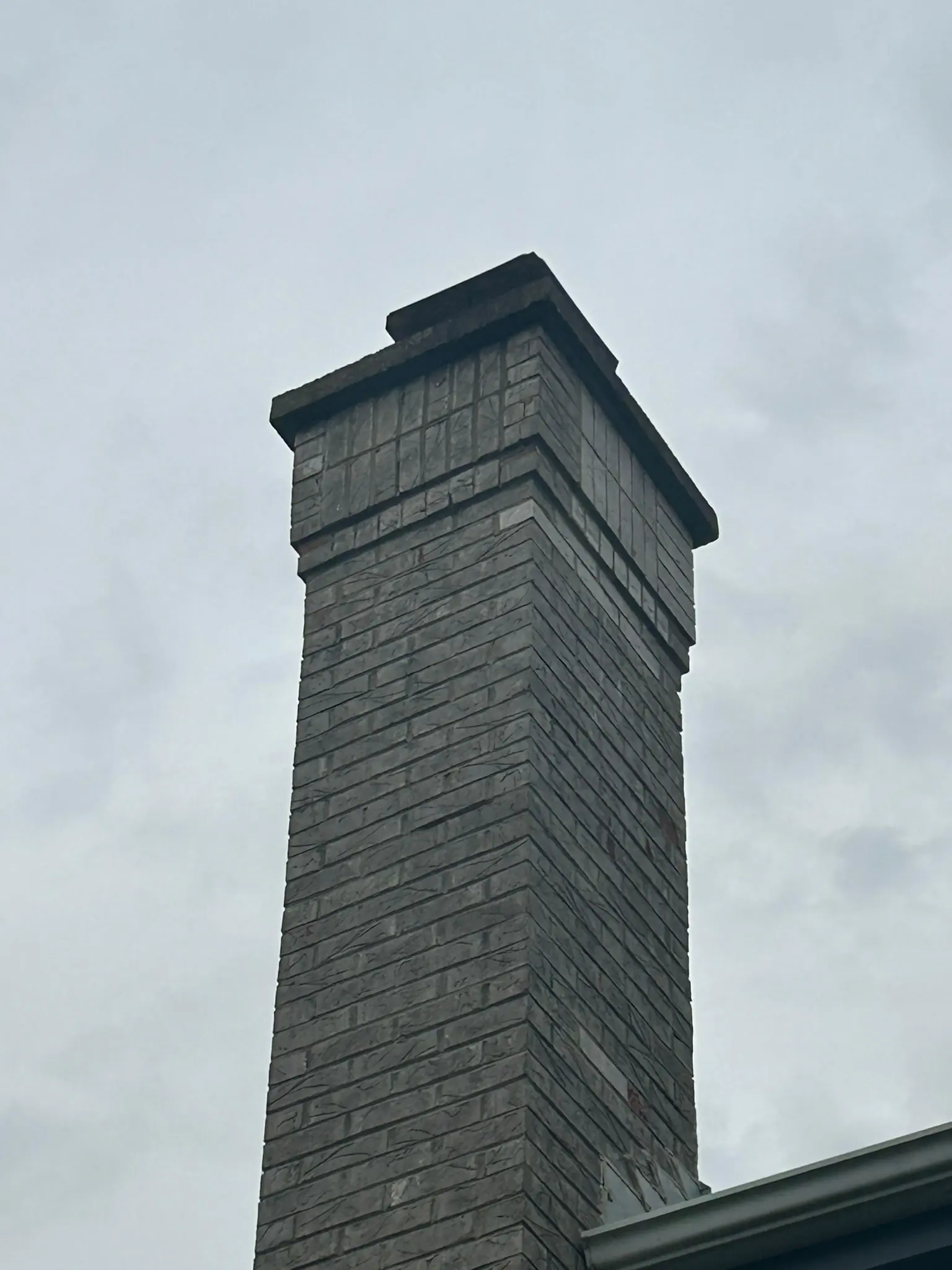
Brick Replacement in Plainfield, IL
Brick replacement in Plainfield, IL means removing units whose faces have spalled, cracked or crumbled and setting matched brick in their place — and correcting whatever kept that spot wet in the first place. Emerald Masonry LLC serves Will County: family-owned, licensed, bonded and insured, career masons with decades of Chicagoland experience, free on-site estimates. Call (708) 288-1696.
Plainfield poses a question we hear more here than almost anywhere else in Chicagoland:
"My house is only twenty years old. Why is the brick falling apart?"
The answer is almost never the brick's age. It is that a specific area of wall has been getting wet on a schedule, and brick that is repeatedly saturated will spall whether it was laid in 1925 or 2005.
Find that source, fix it, then replace the units. Do it in the other order and you will be doing this again.
The Three Things Soaking Plainfield Brick
On newer subdivision homes, it is nearly always one of these — and they are all cheap to correct compared to the masonry they destroy.
1. Lawn irrigation. This is the leading cause we find on Plainfield's newer stock. A sprinkler head that clips the wall — even lightly, even only on a windy morning — hits the same three feet of brick several times a week from April to October. That brick never fully dries, then goes into winter saturated. The giveaway is a distinct band of spalling and white mineral staining at exactly the height the spray reaches. Rotate the head, adjust the arc, and the mechanism stops.
2. Grade, mulch and landscaping. Brick veneer sits on a foundation ledge, and there is a weep and flashing line at its base that must stay above the soil. Over twenty years of mulch topped up each spring, that line disappears. Now soil is holding moisture directly against brick, the weep holes are buried, and the drainage cavity behind the veneer has nowhere to discharge. Pull the beds back down below the weep line and the wall starts drying again.
3. Downspouts and grading. A downspout discharging at the foundation, a splash block that has drifted, or a low spot where water pools against the wall. Same result, concentrated at one corner — which is why spalling on these homes is so often localized to one elevation near a downspout.
There is a fourth, seasonal one: de-icing salt on walks and drives splashing onto the lowest courses. See road salt and de-icer brick damage.
Understanding Brick Veneer — It Is a Drainage System
This is the piece most homeowners were never told, and it changes how the whole repair makes sense.
On virtually every Plainfield home built since the 1970s, the brick is veneer: a single wythe of brick standing in front of a wood-framed, sheathed wall, with an air cavity between them and metal ties anchoring it back.
The brick is not holding up your house. It is a rain screen.
And critically, the system expects water to get behind the brick. Wind-driven rain passes through mortar joints — that is normal and designed for. The cavity, the flashing at the base, and the weep holes you can see every few feet along the bottom course exist to catch that water and send it back out.
Which is why two things matter enormously:
- Weep holes must stay open. Mulched over, caulked shut, or filled with mortar by a well-meaning past repair, and the cavity becomes a bathtub.
- The base flashing must stay above grade. Buried, and the drainage path is defeated.
More on both: weep holes in masonry walls and solid masonry vs. brick veneer repair.
Signs You Need Brick Replacement in Plainfield
- Faces flaking, popping or sheeting off the brick — spalling, the clearest signal.
- A horizontal band of damage at sprinkler height, or concentrated at the bottom two or three courses.
- Brick that crumbles or powders under a key.
- Cracked units, cracked straight through rather than just at the joint.
- White chalky efflorescence blooming on the surface.
- Weep holes you cannot find along the bottom course.
- Mulch or soil sitting above the base of the brick.
- Step cracks running diagonally through joints — often movement rather than water, and worth a look.
- Loose or shifted brick, especially near a corner.
- Rust staining below a window or garage opening — that is a lintel, and it is a different repair.
Why Plainfield Specifically
Plainfield holds two very different building stocks, and they fail in different ways.
The newer housing — the bulk of the village. Plainfield was among the fastest-growing communities in Illinois through the 1990s and 2000s, and enormous portions of it were built in that window. That means a great deal of brick veneer, all installed within a fairly narrow band of years, on homes now reaching 20 to 30 years old — the age where original landscaping has been topped up many times, irrigation systems have been running for two decades, and grade has quietly crept up the wall. It is a very consistent set of conditions producing a very consistent set of failures.
The historic core. Plainfield is the oldest community in Will County, and the older buildings around Lockport Street and the original village grid are a completely different problem — soft brick, lime mortar, and a requirement for matched historic materials rather than current production units.
The DuPage River corridor runs through the village, and the lower-lying properties near it carry more ground moisture at the base of the wall.
Will County freeze-thaw does the rest. Dozens of freezing crossings each winter, and every one that catches a saturated brick expands the water inside it and takes a little more of the face. The mechanism is explained in freeze-thaw masonry damage in Chicago and what causes brick to spall in Illinois.
A note on the housing stock: a meaningful share of Plainfield's homes date from the rebuilding that followed the 1990 tornado, which puts a large, consistent cohort of masonry at a similar age and a similar stage of wear.
Our Brick Replacement Process
- Free on-site assessment. We map which units have actually failed, and — more importantly — we trace the water. Sprinkler pattern, mulch height, downspout discharge, grade, weep holes, flashing line.
- Correct or specify the water source. Sometimes it is a five-minute sprinkler adjustment we point out; sometimes it is grading or downspout work. Either way it is identified in writing before masonry starts.
- Source matched brick. Current-production match where available, or salvaged units — including harvesting sound brick from a hidden elevation and putting the new units there instead.
- Remove failed brick by cutting the mortar joints, never the brick. Neighboring units and the wall ties behind stay undamaged.
- Inspect the cavity. With units out, we check the ties, the flashing and the weep path — the one moment you can actually see behind the wall.
- Set new units in matched mortar, in the correct bond, with joints packed in lifts.
- Tool the joints to match the surrounding profile.
- Clear the weep holes along the affected course so the wall drains as designed.
- Clean down before the mortar sets hard, protecting the faces.
- Walkthrough — including what to expect as the mortar cures and the new brick weathers in. See why new brick looks different at first.
Materials We Use
Matched replacement brick, current production or salvaged; Type N and Type S mortars selected to suit the brick — softer than the units it holds; custom-blended sand and pigment for color matching; stainless or galvanized veneer ties where replacement is needed; backer rod and sealant at perimeters; breathable penetrating sealers where sealing is warranted, never film-forming coatings.
Related services: brick repair, tuckpointing, lintel repair, masonry sealing, caulking and joint sealant and residential masonry restoration.
What Drives the Cost
- Number of units replaced, and whether they are concentrated or scattered.
- Height — a low band near grade versus units at a second-story gable.
- Brick matching difficulty and whether salvage or harvesting is needed.
- Access — landscaping, decks, tight side yards, staging setup.
- Water-source corrections happening alongside the masonry.
- Weep and flashing condition found once units are removed.
- Amount of surrounding repointing required to blend the repair.
We assess in person, itemize by area, and tell you plainly when the fix is mostly a landscaping change plus a modest masonry scope. See what a masonry estimate should include.
The Cost of Waiting
A spalled brick has lost the fired skin that made it weather-resistant. From that point it drinks water, freezes, and pushes on the units beside it. What is a dozen bricks this year becomes a section next year — and because veneer is your weather barrier, sustained saturation eventually reaches the steel ties and the sheathing behind the wall, which is when a straightforward masonry repair turns into a carpentry one.
The repair is small while it is still about brick.
Emerald Masonry LLC is a family-owned, licensed and insured masonry contractor serving Chicago and the Chicagoland suburbs led by career masons with decades of hands-on experience in tuckpointing, chimney repair, brick repair and replacement, lintel and parapet repair, foundation and limestone/sill repair, caulking, sealing, and commercial, residential and historic masonry restoration. Free on-site estimates — call (708) 288-1696.
Serving Plainfield and Will County
We work throughout 60544 and 60586 — the subdivisions north and south of Route 126, the historic village core along Lockport Street, and the commercial properties along Route 59 — plus neighboring Shorewood, Joliet, Romeoville and Naperville. Plainfield owners often pair brick replacement with commercial masonry restoration or tuckpointing.
Get a Free Brick Assessment in Plainfield
If you have a band of flaking brick low on one wall, mulch sitting over the weep holes, or a sprinkler that has been hitting the same corner for fifteen years — we will show you the cause before we quote the cure.
Call (708) 288-1696 or request your free estimate.
Ready to get started?
Free on-site estimates for commercial and large-scale projects.
Brick Replacement in Plainfield, IL — Frequently Asked Questions
Why is my brick flaking apart on a house that is only 20 years old?
Almost always because something is keeping that spot wet. On Plainfield's newer homes the usual culprits are lawn irrigation spraying the wall, mulch or soil piled above the brick ledge, or a downspout discharging against the foundation. Repeatedly saturated brick spalls no matter how new it is.
How much does brick replacement cost in Plainfield, IL?
It is driven by how many units need replacing, how well they can be matched, wall height, and whether the water source has to be corrected at the same time. A concentrated patch low on one elevation is a very different job from scattered units across a two-story face. Emerald Masonry itemizes it in a free written estimate.
Can you match the brick on my subdivision home?
Usually well, and often exactly. Brick from the 1990s and 2000s is frequently still in production or has a close current equivalent, and we can also pull matching units from a hidden elevation — behind a deck or in a garage return — and put the new brick there instead.
Do I have to replace the brick, or can it be patched?
Once a brick's face has spalled off, its fired weather skin is gone and it absorbs water freely. Patching over it with mortar or coating hides the problem while the unit keeps deteriorating behind the patch. Brick with intact faces and failed joints around it needs repointing, not replacement.
What are the small gaps at the bottom of my brick, and can they be sealed?
Those are weep holes, and they must stay open. Brick veneer is a drainage system, not a waterproof one — water gets behind the brick by design and weeps drain it back out. Sealing or mulching over them traps water in the wall cavity, which is a common cause of spalling on newer homes.
Will the new brick match, or will I see a patch?
New units set into a 20-year-old wall start slightly cleaner than the weathered brick around them and blend over the following seasons. Mortar is matched for color, sand and texture, and it also cures lighter before darkening. A well-matched replacement becomes hard to find within a year or two.
Is spalled brick on a veneer home a structural problem?
Usually not immediately, because brick veneer is a cladding rather than a load-bearing wall. It still matters, because the veneer is your weather barrier and its wall ties are steel — sustained saturation eventually reaches the ties and the sheathing behind it.
Brick Replacement in Nearby Areas
Other Masonry Services in Plainfield, IL
Learn more about our brick replacement services across Chicagoland, or view all service areas.