
Commercial Masonry Restoration · Naperville, IL
HOA & Condo Masonry Repair in Naperville, IL — Where the Brick Stops and Somebody Else's Scope Begins
On most Naperville association buildings the brick is only part of the wall. Where the veneer meets siding, trim or stucco is where the leaks live — and it is also the exact line where a masonry bid quietly ends and nobody's scope begins.
Quick Answer
Emerald Masonry LLC provides HOA and condo association masonry repair in Naperville, IL — surveying every building, scoping brick veneer, garage fronts, lintels and veneer-to-siding transitions in writing, and phasing the work so a board can fund it across budget years. Licensed, bonded and insured; COI and lien waivers on request. Call (708) 288-1696.
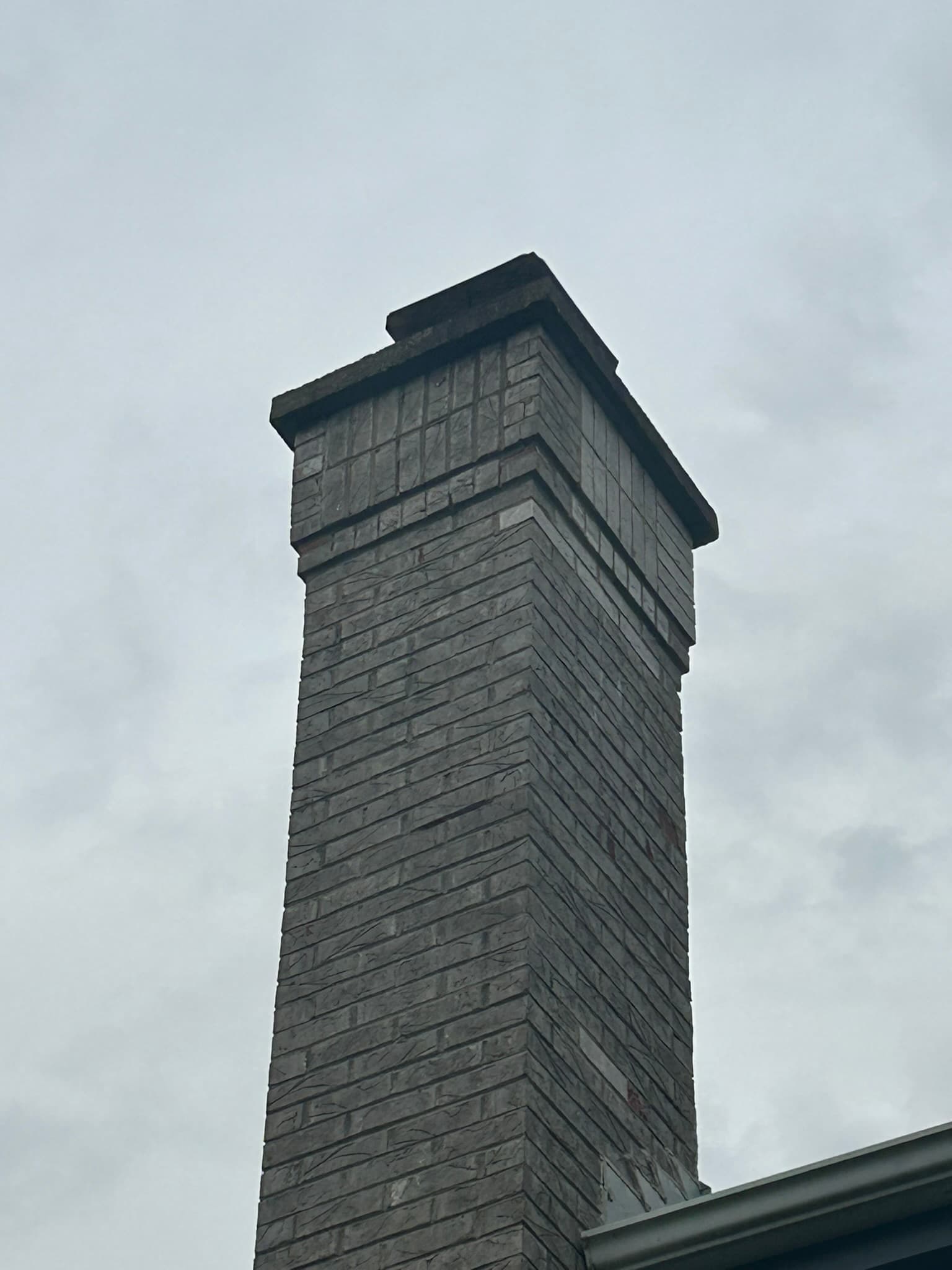
HOA & Condo Masonry Repair in Naperville, IL
Emerald Masonry LLC provides HOA and condo association masonry repair in Naperville, IL — surveying every building on the property, scoping brick veneer, garage fronts, lintels, chimneys and veneer-to-siding transitions in writing, and phasing the work so a board can fund it across budget years. Licensed, bonded and insured; COI, W-9 and lien waivers on request. Call (708) 288-1696 for a free on-site assessment.
Here is the thing that makes HOA masonry repair in Naperville different from association work in the older inner-ring suburbs. Most Naperville townhome and condo stock was built between roughly 1985 and 2005, and on the overwhelming majority of it the brick is not the whole wall. It is a veneer panel covering the first storey, the garage front, the chimney chase and maybe one gable — with vinyl, cedar, LP trim or stucco taking over above and beside it.
That means the wall has a horizontal seam in it, and that seam is where the water gets in. It is also, almost without exception, where a masonry bid ends, a siding bid begins, and neither one owns the detail in between.
The transition line nobody scopes
On partly clad Naperville association buildings, the single most common source of persistent interior water complaints is not the brick and not the siding — it is the termination where the veneer stops. If nobody flashed it, nobody is responsible for it, and every trade can truthfully say it is outside their scope.
A brick veneer wall is a drained assembly. Water is expected to pass the brick face, land on flashing, and exit through weep holes. That works only if the flashing exists and is turned up and lapped correctly — including at the top of the veneer panel, where the wall changes material.
What we find on this stock, repeatedly:
- No through-wall flashing at the veneer termination — the panel just stops, and water that gets behind it runs down the sheathing
- Weep holes missing, mortared shut by a prior repointing crew, or buried under raised mulch and regraded beds
- Sealant used as the only defence at the transition, decades past its service life
- Kickout flashing absent where a roof edge meets a brick wall, so roof water is delivered straight into the veneer cavity
None of those are mortar problems, and none of them are fixed by tuckpointing. Our guides to through-wall flashing in masonry walls and weep holes explain what should be there; solid masonry versus brick veneer repair explains why the distinction changes everything about the repair.
Garage fronts: the hardest-working masonry on a townhome
The second condition that defines Naperville association work is the garage front. A townhome garage opening is wide, the brick above it is carried on a single steel lintel, and that lintel sits at the most weather-exposed, least protected point on the building — often with a driveway that drains toward it and snow piled against it all winter.
When cracking shows above a garage door, the mortar is the symptom. The mechanism is usually the lintel: deflecting under a long span, or corroding and rust-jacking the course above it upward, which opens a horizontal crack that looks exactly like tired mortar from twenty feet away. Repointing it buys a season or two. Our guide to brick veneer ties, shelf angles and hidden steel covers how to read it.
We scope garage fronts by count, not by area — because on a fifty-unit townhome association the number of openings, not the square footage of wall, is what drives the price and the schedule.
What the survey produces for your board
A board cannot vote on an impression. It can vote on a document. Our association assessment produces:
- A building-by-building condition record with dated, located photographs, so a later phase starts from a baseline instead of a memory
- Quantities by building and elevation — linear feet of joint, opening counts, unit replacement counts, with the assumptions stated
- A risk-ranked priority order: overhead hazard first, then active water entry, then accelerating deterioration, then appearance
- A phase plan with separately priced phases, so phase one can be approved now against real numbers and the balance held
- The mortar specification and brick source recorded, so the building repaired in year four matches the one repaired in year one
- A resident communication plan — written notice before work reaches a building, what to clear from patios and driveways, where parking is affected
- COI, W-9 and lien waivers before mobilisation
Emerald Masonry LLC is a family-owned commercial masonry contractor serving Chicago and the Chicagoland suburbs, led by career masons with decades of hands-on Chicagoland experience, in commercial tuckpointing, façade and parapet repair, lintel replacement, chimney and stack rebuilds, CMU block repair, brick repair and replacement, foundation and limestone/sill repair, caulking, sealing, and commercial, residential and historic masonry restoration. Free on-site assessments — call (708) 288-1696.
A word about reserve-study numbers
Most Naperville associations arrive at masonry through a reserve study line item. That line is a planning placeholder, generally derived from an assumed service life and an assumed unit cost — not from anyone opening a wall on your property. It is the right tool for funding and the wrong tool for bidding.
The useful move is to convert it once: get a real survey with real quantities, then let the phase pricing update the reserve line rather than the reverse. HOA masonry maintenance budgets covers how boards do that, and HOA versus unit owner responsibility covers the allocation question that follows it.
Naperville and the surrounding area
We work association and commercial stock across the county and into Will: HOA and condo masonry repair in Downers Grove, commercial tuckpointing in Naperville, lintel replacement in Hinsdale, plus brick repair in Naperville, masonry sealing in Naperville and foundation masonry repair in Naperville. Related services: commercial masonry restoration, tuckpointing and repointing, lintel repair, brick replacement and caulking and joint sealant. For boards and managers, our HOA and condo associations and property managers pages set out how we scope, phase and document work.
Bring us in before the bid goes out
Emerald Masonry LLC was established in 2024 and is led by career masons with decades of hands-on Chicagoland experience on exactly this stock. Family-owned, licensed, bonded and insured, with COI, W-9 and lien waivers on request.
If your board is staring at a reserve line, a leak that three contractors have already looked at, or cracking above a row of garage doors, call (708) 288-1696 or request an assessment. We will walk every building and give you a document you can put out to bid.
Ready to get started?
Free on-site estimates for commercial and large-scale projects.
Commercial Masonry Restoration in Naperville, IL — Frequently Asked Questions
How much does HOA masonry repair cost in Naperville, IL?
Association work is priced building by building, because veneer deterioration across a Naperville property is almost never uniform. The drivers are wall area of actual brick, garage-front and opening counts, how much concealed steel and flashing has to be addressed, access and staging across the site, and how many buildings sit in phase one. Emerald Masonry LLC provides a free on-site assessment and a written scope a board can bid.
Our buildings are only part brick. Does that change the repair?
It changes it significantly. On a partly clad building the brick is a veneer panel inside a larger wall, and the most common leak point is the horizontal transition where the veneer stops and siding, trim or stucco begins. That transition needs correct flashing and a proper termination, and it is the boundary where masonry, carpentry and siding scopes tend to leave a gap.
Why do our garage fronts crack above the doors?
A townhome garage front carries a long span of brick over a wide opening on a single steel lintel or header, and that is the most heavily loaded, most exposed masonry on the building. Cracking there is usually the lintel deflecting or corroding rather than the mortar failing, so repointing alone will not hold it.
Can you survey every building and tell the board what to do first?
Yes, and for most associations that survey is the most valuable part of the engagement. We assess each building, rank them by condition and risk rather than by street order or unit number, and hand the board a phased plan with quantities so the worst exposure is funded first.
Who is responsible — the association or the unit owner?
That is set by your declaration and bylaws, not by us, and boards should read it before allocating cost. What we can do is scope and price by building, by elevation and by unit so that whatever the declaration says, the numbers can be allocated cleanly instead of argued over.
Can the work be phased across budget years?
Yes, and most associations should. We rank the scope so anything unsafe or actively admitting water is in phase one, hold preventive and cosmetic work for later phases, and carry quantities forward so a later phase matches the first instead of being re-estimated.
Do you provide certificates of insurance and lien waivers?
Yes — a COI naming the association, a W-9, and lien waivers with each payment application. Emerald Masonry LLC is licensed, bonded and insured in Illinois and works routinely with property management companies.
Do you serve Naperville and the surrounding suburbs?
Yes. Emerald Masonry LLC works throughout Naperville, Lisle, Woodridge, Downers Grove, Wheaton, Plainfield, Bolingbrook and the wider Cook, DuPage and Will County area. Call (708) 288-1696 for a free on-site assessment.
Commercial Masonry Restoration in Nearby Areas
Other Masonry Services in Naperville, IL
Learn more about our commercial masonry restoration services across Chicagoland, or view all service areas.